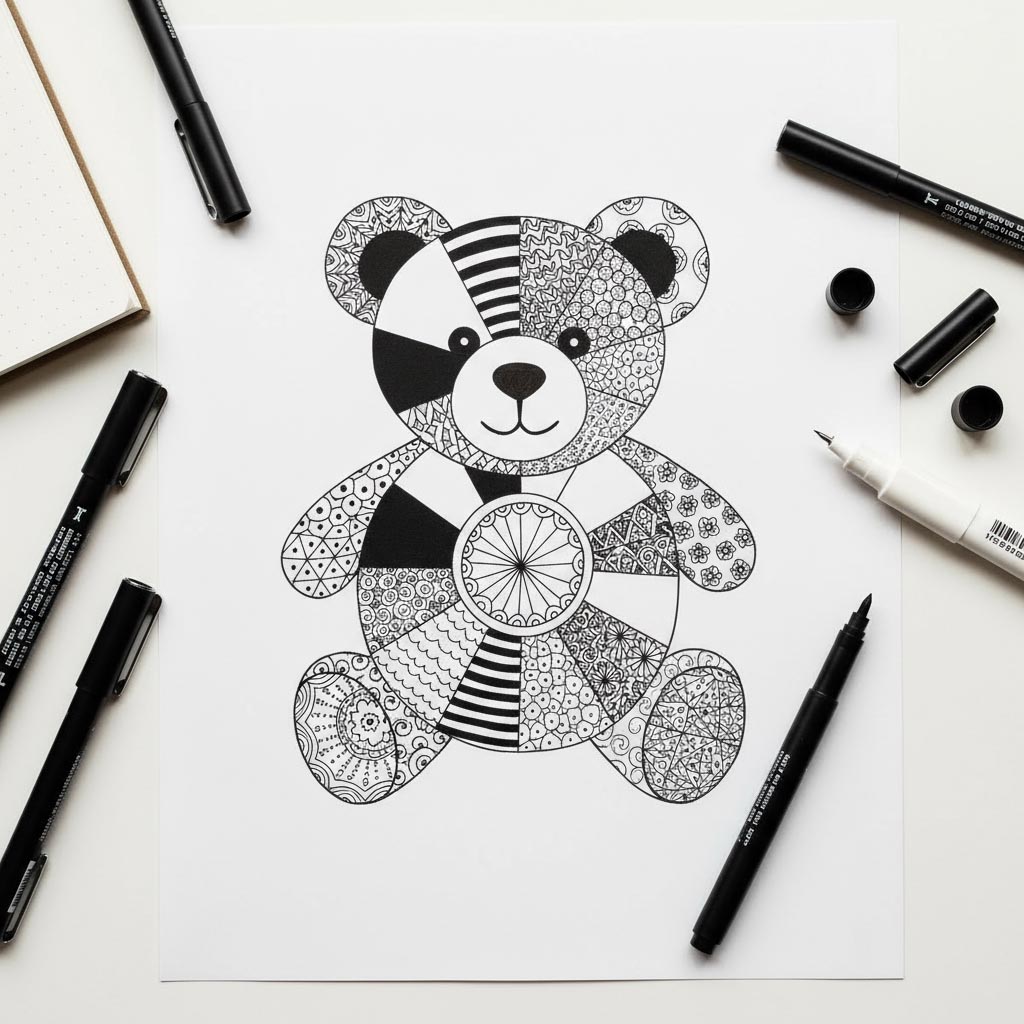
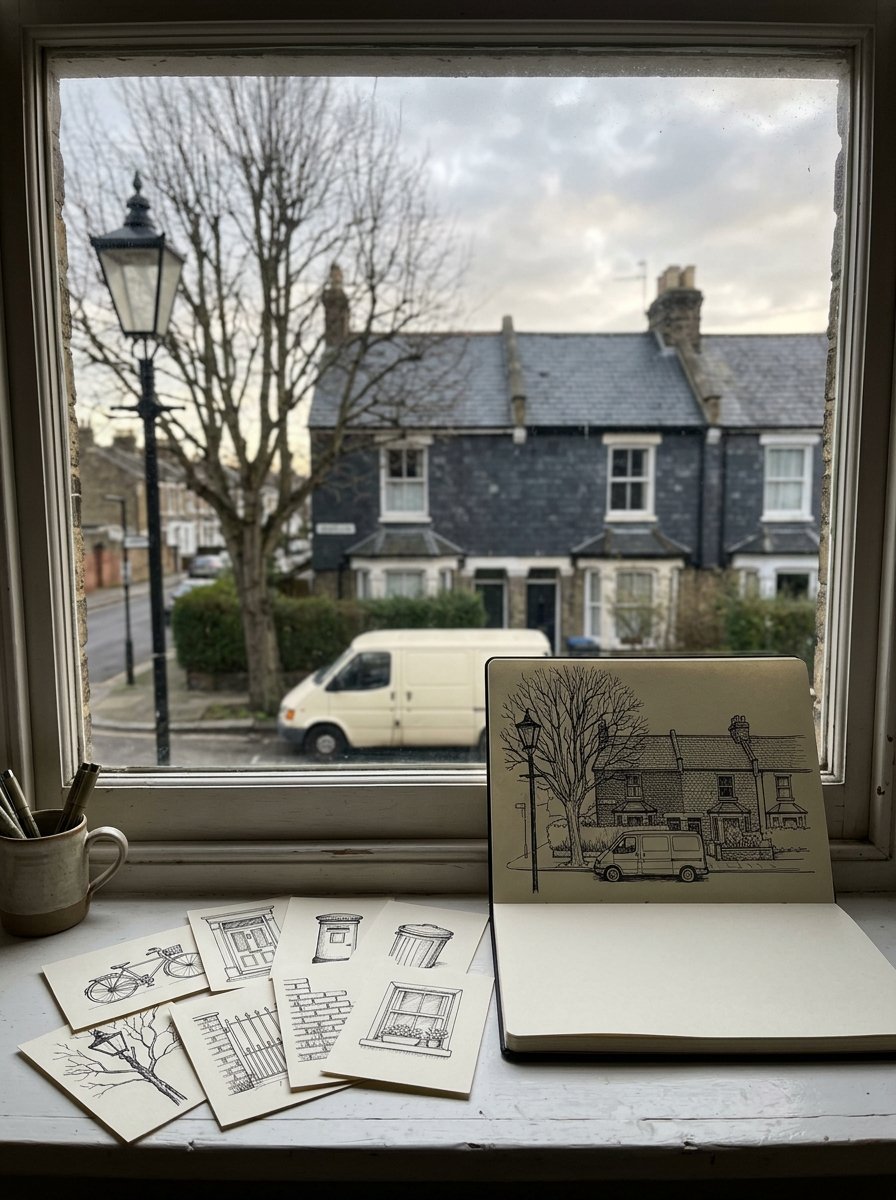
I am at the kitchen window with a pen and the back of an envelope. Outside there are 4 roofs, a lamppost, and a van parked badly since Tuesday. This is urban sketching for beginners, and I have not left the house.
Every course opens the same way. A folding stool. A public square. Strangers behind you.
It started in 2007, on a photo-sharing site, run by a newspaper illustrator in Seattle. He wrote a manifesto. Its first line says: we draw on location, indoors or out.
Indoors. It is the first line of the founding document, and almost nobody quotes that half.
So here are 73 ideas, sorted by how far you have to go. 37 from a window. 20 from a café table. 16 for later. The free perspective cheat sheet is below.
Download the free perspective cheat sheet →
 Save
Save
Print it at actual size, not fit to page. (Your printer will suggest shrinking it to fit. Decline.)
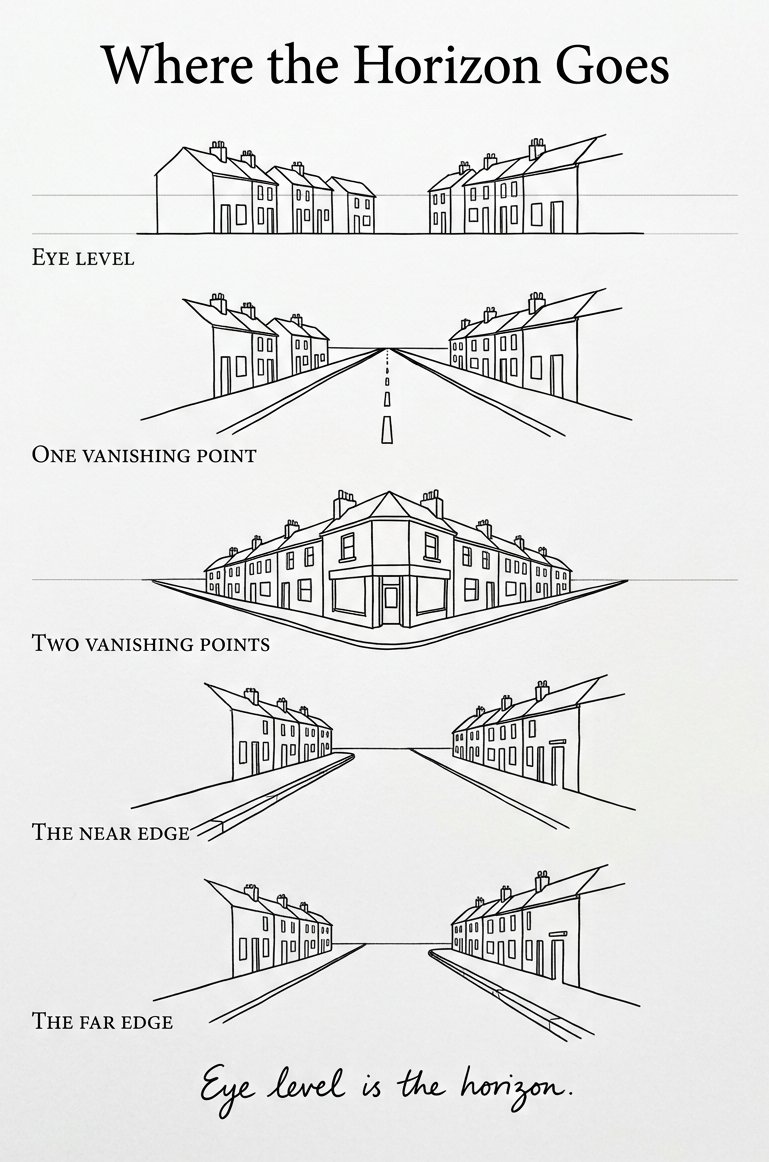
The rule on it is one line: eye level is the horizon. Where your eye sits, the horizon sits. Stand up and the roofs flatten. Sit down and the kerb climbs the page.
Everything above eye level goes down towards it. Everything below it goes up. That is the whole of perspective for tonight. It is also why a street drawn from a chair looks calm. Drawn standing, the same street looks like it is falling over.
The sheet shows it 5 ways: eye level, one vanishing point, two vanishing points, the near edge, the far edge. I drew the near edge first for years. It is the wrong order, and the far edge never fits afterwards.
That is the whole sheet. 5 rows, one page, and it settles the argument your hand is about to have with the houses opposite. (Mine lives on the kitchen wall, slightly buckled, holding a shopping list in place.)
The Collection
What do you draw when the window has run out of street?
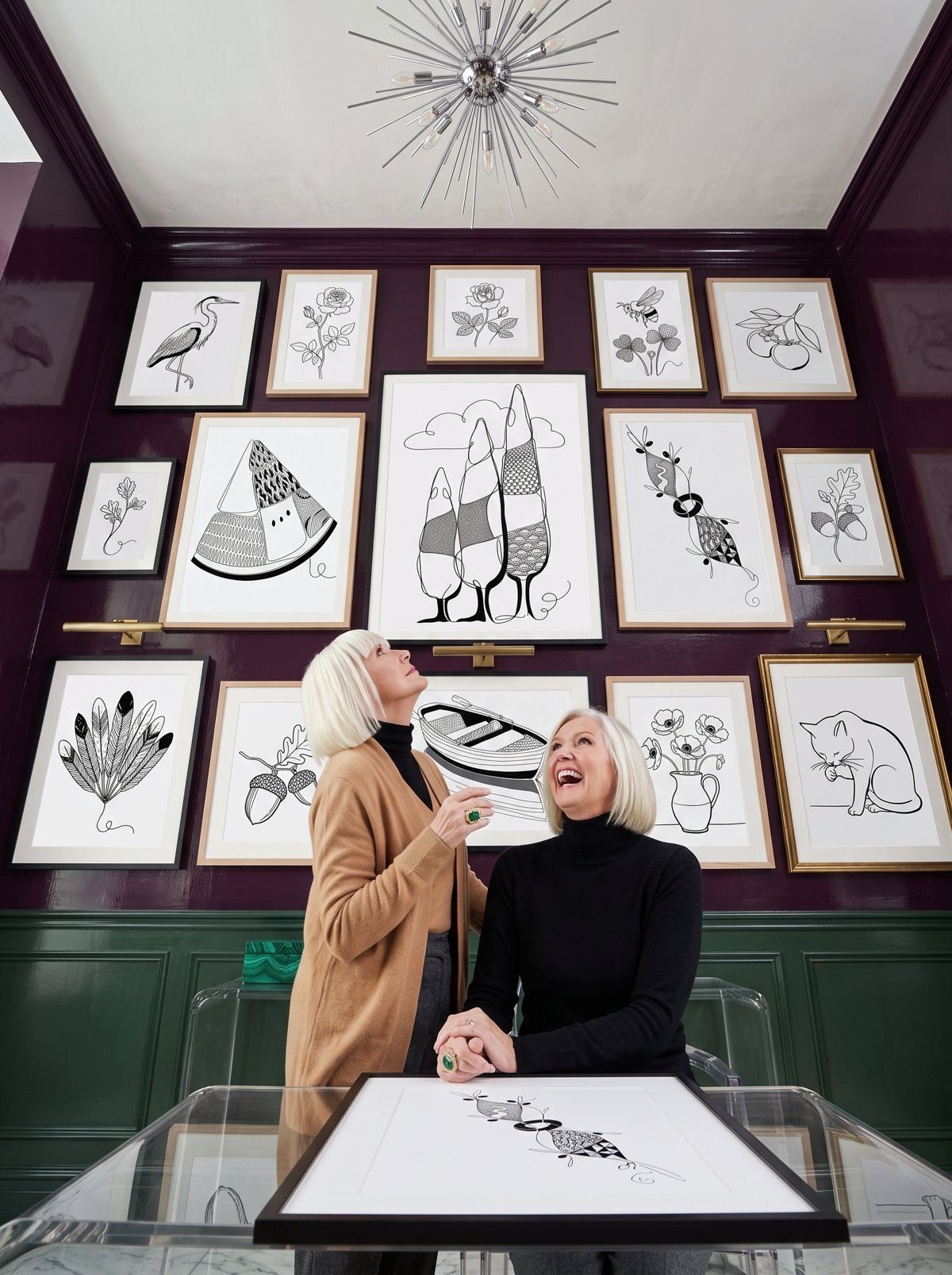
Some nights the view is a wall, 2 bins and a van door. THE 100 COLLECTION. Herons, ginkgo fans, a folding crane. Inside: 100 finished ink pieces, every one broken into 5 steps with a faint guide underneath. (The trace guide is for nights your hand has opinions of its own.) What you get: an hour that is not scrolling, and a wall that looks like it cost money.
Back to the window, because the window is where this gets easy.
Everybody teaches urban sketching for beginners as something you do in public
The stool is the problem. Not the drawing.
A beginner in a public square has 2 jobs. Learn to see, and be watched learning. The second one is harder, and nobody mentions it. So the sketchbook stays in the drawer, and the drawer fills up with good intentions. (See also: the resistance bands, the bread machine, the language app that still sends hopeful messages.)
The fix is not courage. It is a pane of glass.
The man who started it put the permission in his very first line
Gabriel Campanario is an illustrator and reporter at a Seattle newspaper. In 2007 he started a group on a photo-sharing site for people who drew where they lived. In 2009 it became a nonprofit. It is now a global thing with chapters everywhere.
The manifesto he built it on runs to 8 lines. The first is the one to read twice. “We draw on location, indoors or out, capturing what we see from direct observation.”
Indoors is not a concession in that sentence. It is the second word of the promise.
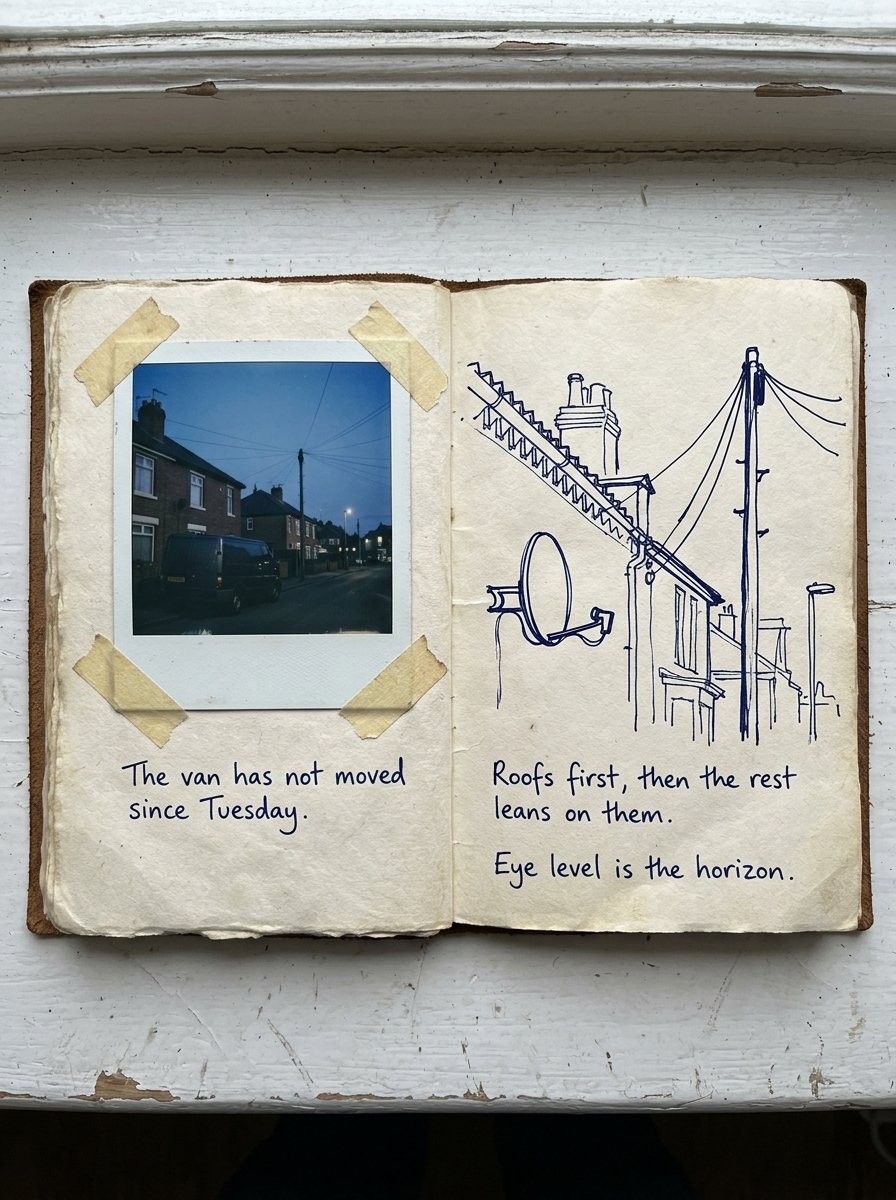
I keep this open on the sill. My own notes on it are not artistic. One says the van has not moved since Tuesday. One says roofs first, then the rest leans on them. One says eye level is the horizon, because I forget it weekly.
A window is a location, and urban sketching for beginners starts there
A window does 4 things a square cannot.
It holds still. It frames the view for you, and the frame is already a good one. It keeps the weather on the correct side of the glass. And it lets you stare at a stranger’s house for 20 minutes without anybody forming a theory about you.
It also gives you the same view twice. That matters more than it sounds. The second drawing of a roofline beats the first, every time.
I have drawn those same 4 roofs 30-odd times now. (The 30th took 4 minutes. That is the only progress I can actually prove.)
Where the horizon sits is the one move that makes a street read
Pick your spot. Sit down. Do not move.
Find your eye level on the glass. Hold the pen flat and level at eye height, then note where that line crosses the houses opposite. Rule it faintly across the page. Everything else hangs off it.
Then the one move: draw the roofline before you draw a single wall. The roofs set every angle underneath them. Walls drawn first will not agree with anything.
What ruins it is drawing what you know instead of what you see. You know the window opposite is a rectangle. From here it is a squashed diamond. Draw the squashed diamond. (Your hand will argue. Your hand is wrong, and it will get over it.)
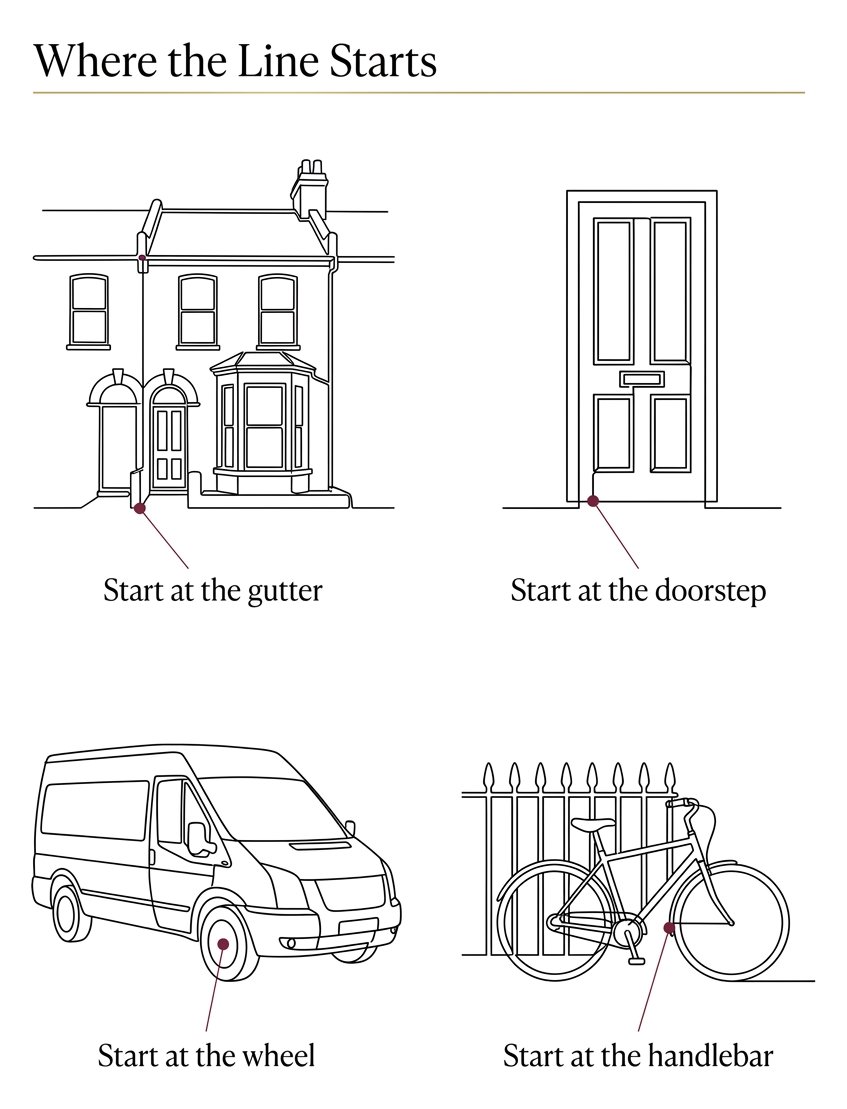
Where the line starts matters too. Start at the gutter on a house. Start at the doorstep on a door. Start at the wheel on a van, and at the handlebar on a bicycle. Begin at the nearest part, and everything behind it has somewhere to go.
Half of Rome was left out on purpose and nobody has ever minded
Between 1748 and 1774 Giovanni Battista Piranesi made his great series of Roman views. They are the reason most people picture Rome the way they do.
They are also, cheerfully, not quite Rome. He manipulated the scale. He added urns and altars that were not standing there. He picked viewpoints no visitor could stand in and drew the city from them anyway.
A third of the monuments in his engravings are no longer there at all. His edited Rome outlasted the real one.
A drawing is not evidence, and nobody is checking it against the street.
So: leave things out. The parked cars, the bins, the wires, the sign you cannot face.
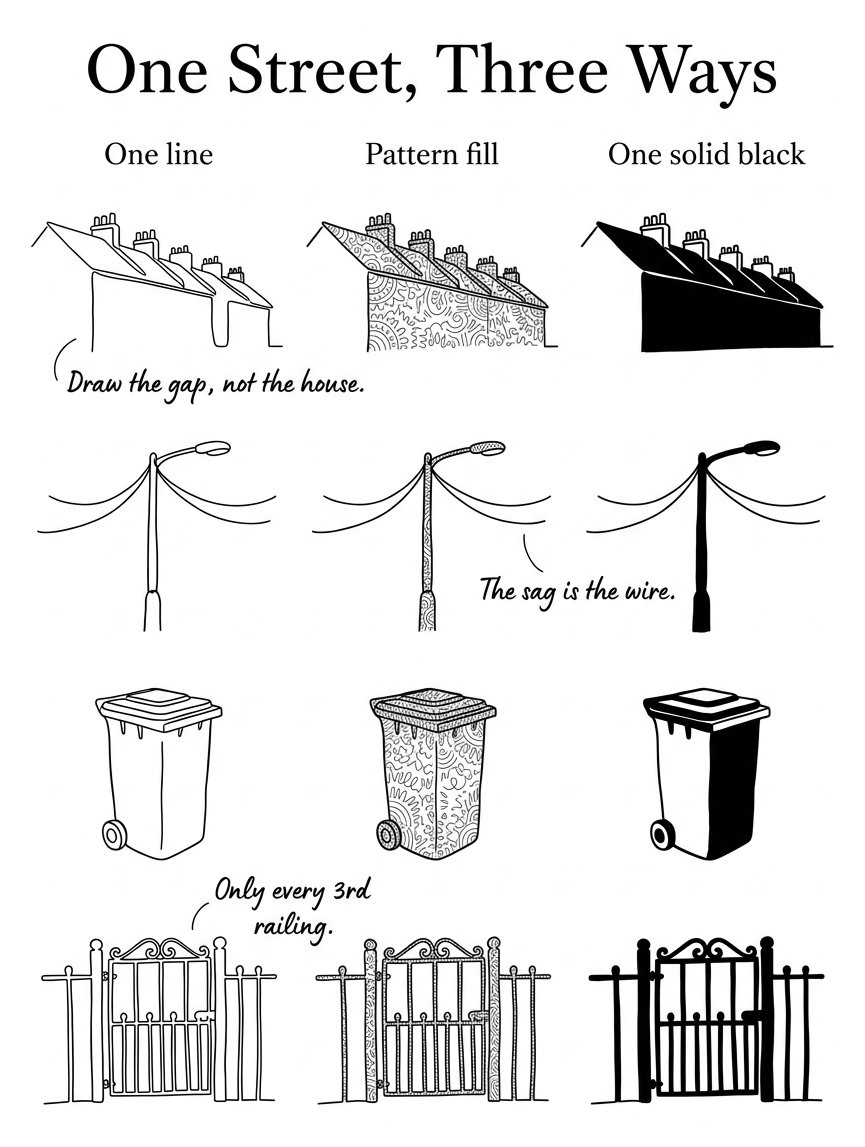
The same street takes 3 treatments. One line, straight through, no lifting. Pattern fill, where the brickwork becomes dots and the roof becomes dashes. Or one solid black, dropped into a doorway or a window. It makes every wobbly line on the page look deliberate.
3 notes I have written on my own pages, in this order of usefulness. Draw the gap, not the house. Only every 3rd railing. The sag is the wire.
Urban sketching for beginners goes wrong in the same 2 places
The first is the ellipse. Cups, arches, wheels, bins, drainpipes seen from above. A circle seen at an angle is an ellipse, and beginners draw it with pointed ends, like a leaf. It has no points. Run 10 on a scrap first. They arrive around number 7.
The second is scale creep. The drawing starts small and neat at the top of the page, then swells as your confidence does. The building ends up with a normal roof and an enormous door.
The fix costs nothing. Mark the top and bottom of the tallest thing first, with 2 small dashes, before anything else. Then you are filling a space instead of filling a page.
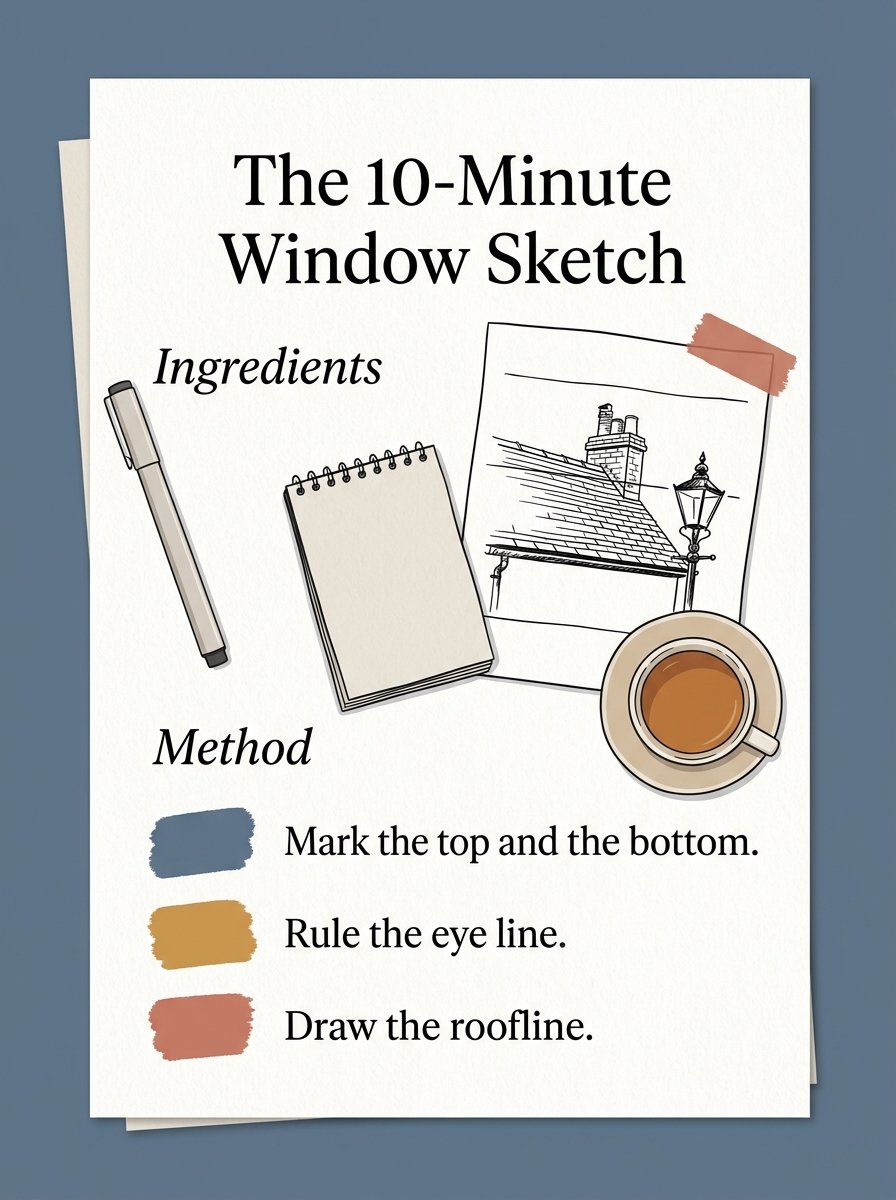
I use the same 10 minutes most nights. Pen, paper, one cup of something. Mark the top and the bottom. Rule the eye line. Draw the roofline. Then fill in downwards until the tea is gone.
A whole sketchbook of London buildings, drawn on the way past them
Hugh Casson ran the Royal Academy from 1976 to 1984. Before that, between 1971 and 1974, he filled a sketchbook with London buildings. He published it as a personal choice, not a survey. John Betjeman wrote the introduction.
He was not on an expedition. He was an architect moving around a city he already lived in, drawing the buildings he happened to pass.
The Academy still gives a prize in his name every year. It goes to an original work on paper “where the emphasis is clearly on drawing”.
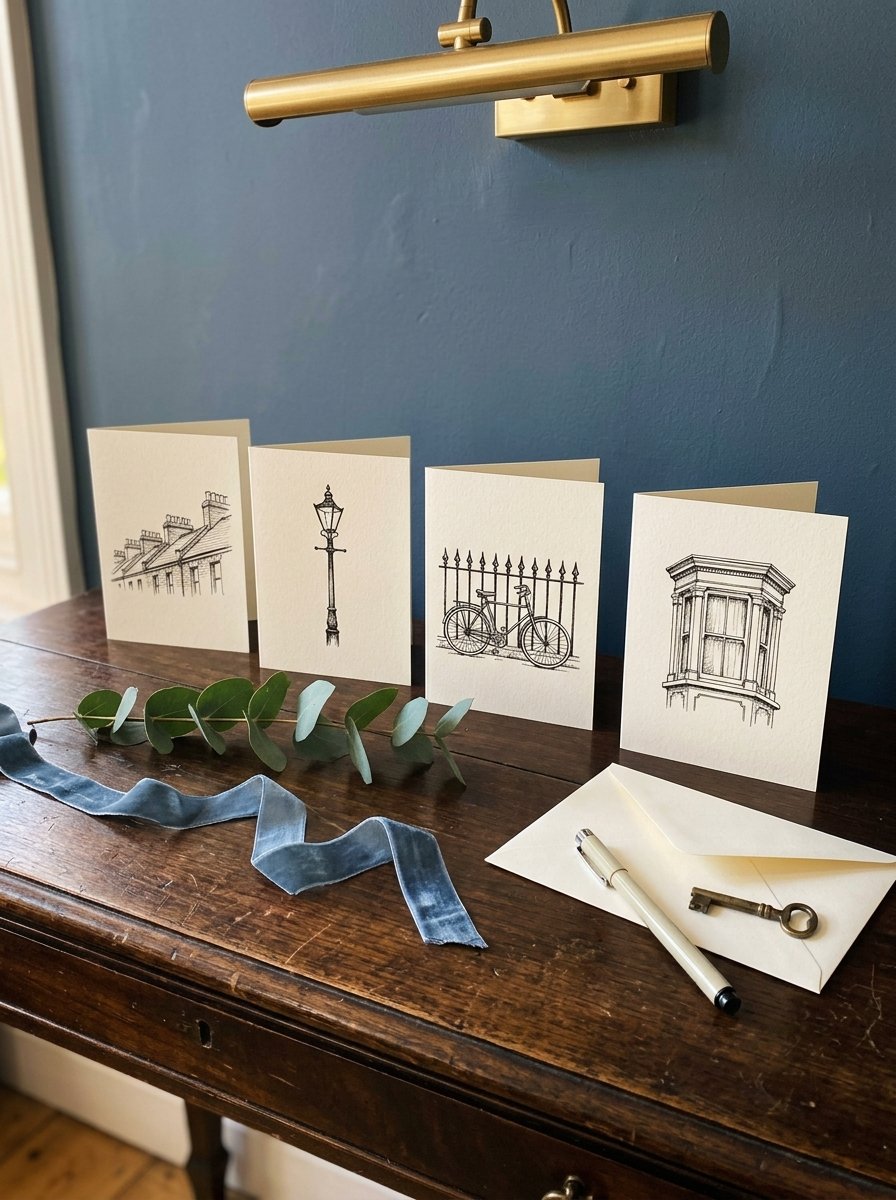
You are not documenting your street. You are picking 5 things on it that you like.
A personal choice is the phrase I keep coming back to. You are not documenting your street. You are picking 5 things on it that you like, which is a shorter job and a better evening.
The 73 urban sketching ideas for beginners, starting at the kitchen window
Start with the window frame itself. It is a rectangle somebody else already composed, and you are allowed to use it. Then the roofline opposite. Then one chimney, and the chimney pot sitting on it.
The gap between 2 houses is a shape in its own right. Draw the gap and the houses turn up for free. A satellite dish is a circle seen side-on, so it is an ellipse again. A television aerial is 6 marks and not one more.
Now the lamppost. Then the wires running off it. Draw the sag, never the straight line. The sag is the only honest part. A road sign from the back is an oval on a stick.
Then the street furniture nobody thinks to draw. A wheelie bin. Two wheelie bins that have fallen out with each other. A parked van, which is a box with the corners knocked off. A car roof. Wing mirrors, which are the ears of the car.
A bicycle leaning on railings. The railings themselves: draw every 3rd one and let the eye fill in the rest. A garden wall. A gate that does not shut. A hedge, which is one wobbly outline and 3 dark patches, not 400 leaves.
The street tree next. Then the tree’s shadow on the road, which is usually the better drawing of the 2. A drainpipe. A doorstep. A front door. The number on the door.
Across the road: a bay window, net curtains, a window box. A cat on a wall. A pigeon on the ridge tiles. Gulls, if you have them, which are 2 marks each and quite rude about it.
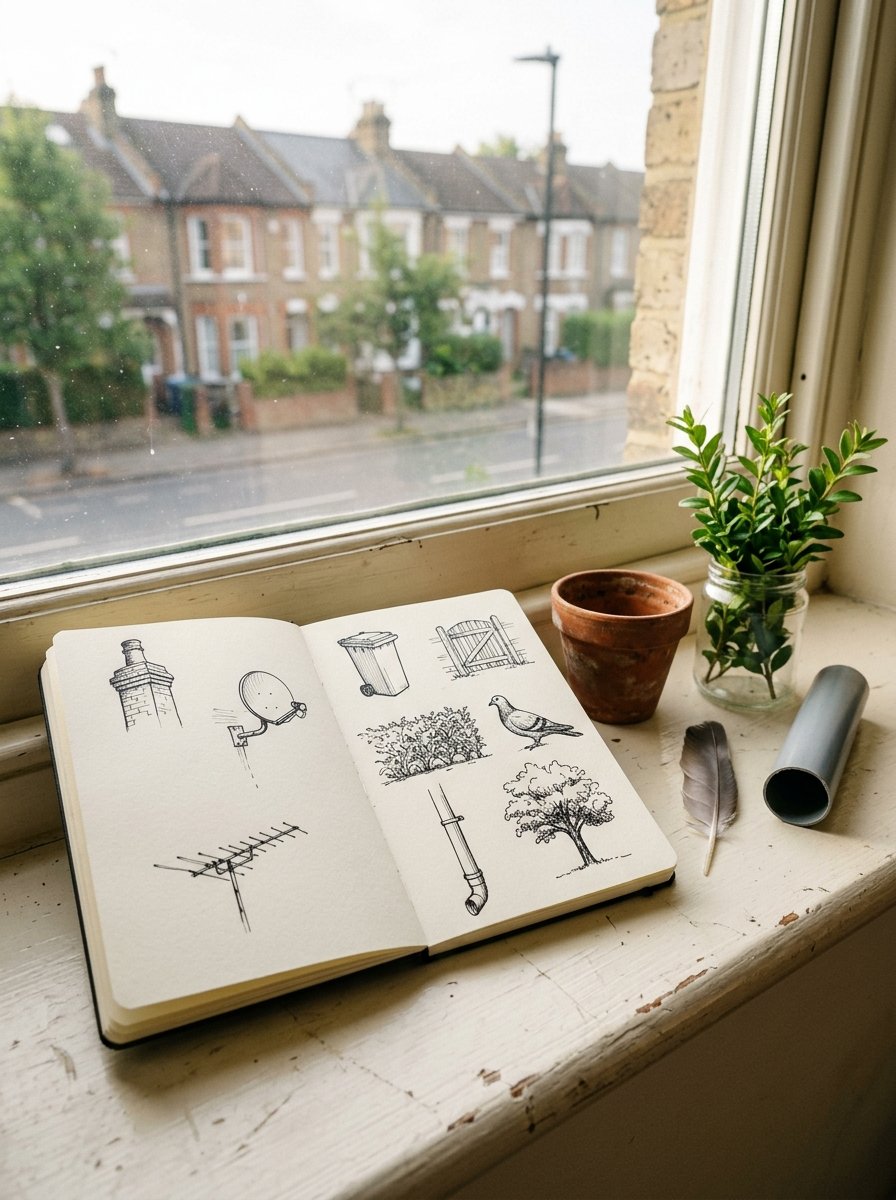
Then a delivery bike. Puddles. Rain on your own glass, which is dots and dashes and takes 4 minutes. Your own room reflected in the glass after dark. And the starburst a streetlight makes when you squint at it.
That is 37 without shoes on. (I have managed 34. The gulls would not hold still, and the cat has firm views about being looked at.)
The ideas that want a café table and something to hide behind
A café solves the stool problem with a cup. Everybody holds something and looks down at it. You are doing exactly that, and the paper is smaller than the table.
Begin with your own cup from above. Then the same cup from the side. The ellipse changes, and that is the lesson. A teaspoon. The sugar bowl. A water glass, which is 3 lines and 2 shadows.
A folded napkin. The empty chair opposite. The legs of the next table along. A coat slung over a chair back. It is the softest thing in the room, and the hardest to draw badly. A bag on the floor.
Then the room. The counter, as one long line. The dome of the cake stand. The row of cups on the shelf behind it. The coffee machine, which is 3 boxes and a pipe. The pendant lamp. The blank rectangle of the board on the wall.
Then the doorway and the light standing in it. The window from the inside, with the street beyond it as a pale ghost. A person 2 tables away, from the back, in 6 lines. And the shadow the window bar lays across your table.
That is 20 more, and the coat is the one that will surprise you.
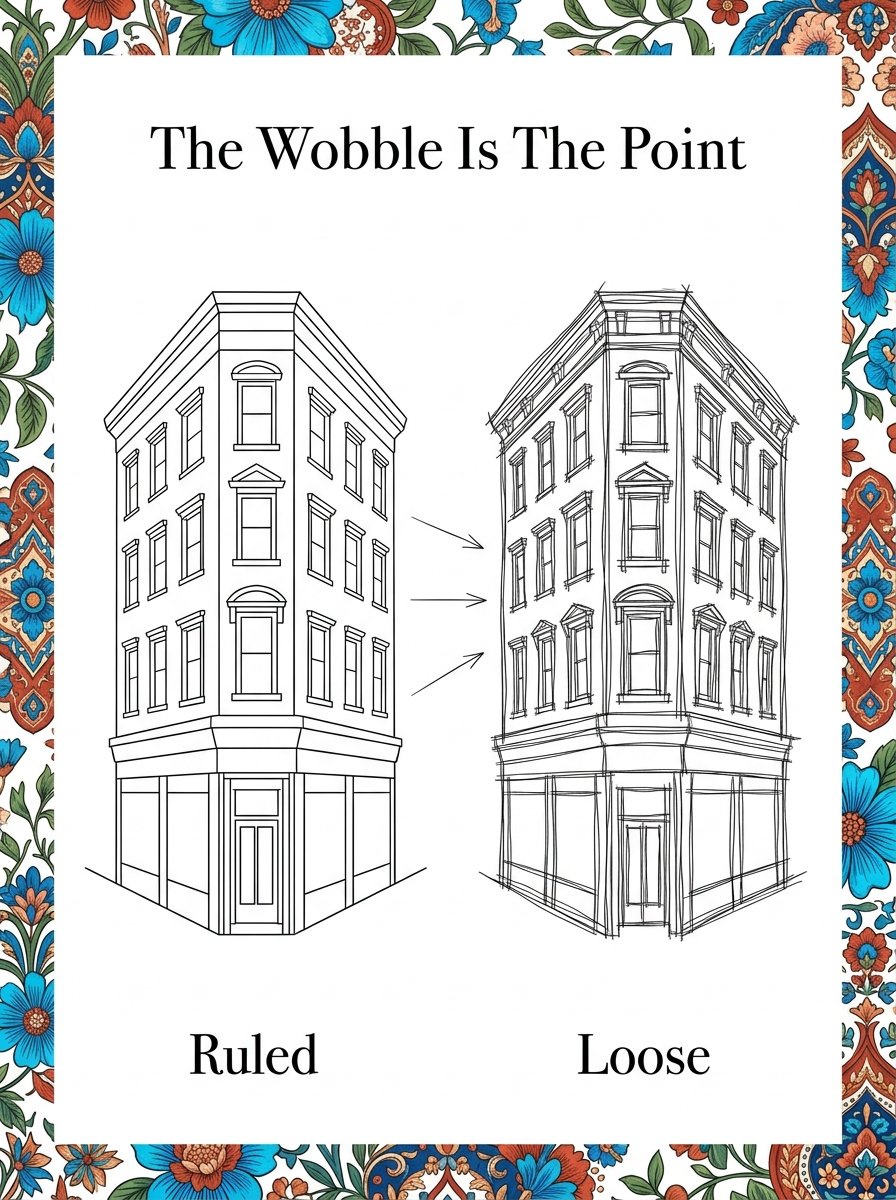
Loose beats ruled every time, and not for the reason people say. A ruled line has one job and fails visibly. A loose line has 3 goes at the same edge and the eye averages them out. I ruled everything for a year. It looked like a plan for a building, not a drawing of one.
The ideas waiting outside once the window stops being enough
I put this group last on purpose. There will be an evening when the glass is not enough. By then 57 things are already behind you.
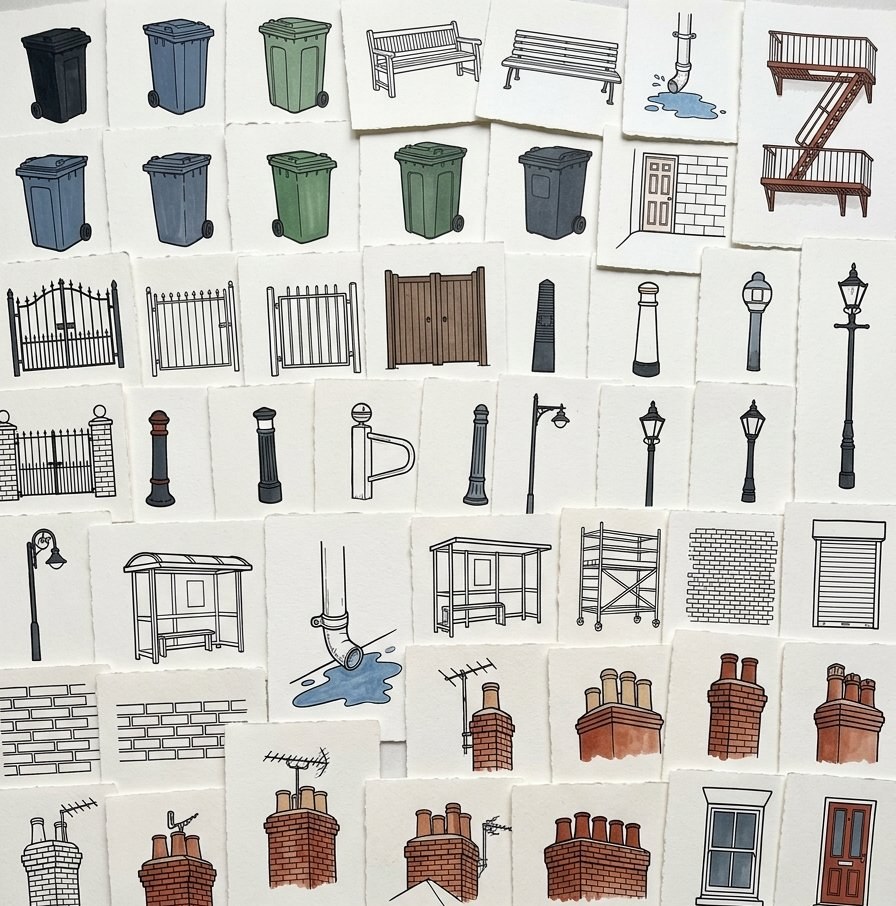
A bus shelter. A postbox. A bollard. A telephone box. A bench, which is the same slats repeated and the repetition is the whole pleasure.
A bin. A bridge parapet. A flight of steps, drawn as lines that get closer together as they go up. A shopfront awning. A market stall frame, which is scaffolding wearing a hat.
Then scaffolding proper. A crane against the sky, all diagonals. A clock tower. A fire escape, which is stairs and nothing but stairs.
A row of parked bikes, which is 40 ellipses and excellent practice. And a puddle with the whole street upside down inside it.
That is 16, and 73 altogether.
Your free perspective cheat sheet for urban sketching for beginners, and what to do with it tonight
The sheet is at the top of this page, with the download button over it. It is one page: eye level, one vanishing point, two vanishing points, the near edge, the far edge.
I keep mine taped inside the front cover, where I cannot lose it. Do the same, then tonight sit at the window. Rule your eye line faintly across the page. Draw the roofline opposite. Add the chimney. Add the gap next door. Stop there. Tomorrow the same view is still there, and the second one is always better than the first.
Free Starter Pack
10 pattern templates, for the flat panels a building leaves you.
Sent tonight. Small fills for blank walls, doors and shutters.
Unsubscribe in 1 click, no hard feelings
Every one of the 100 pieces arrives already broken into 5 moves
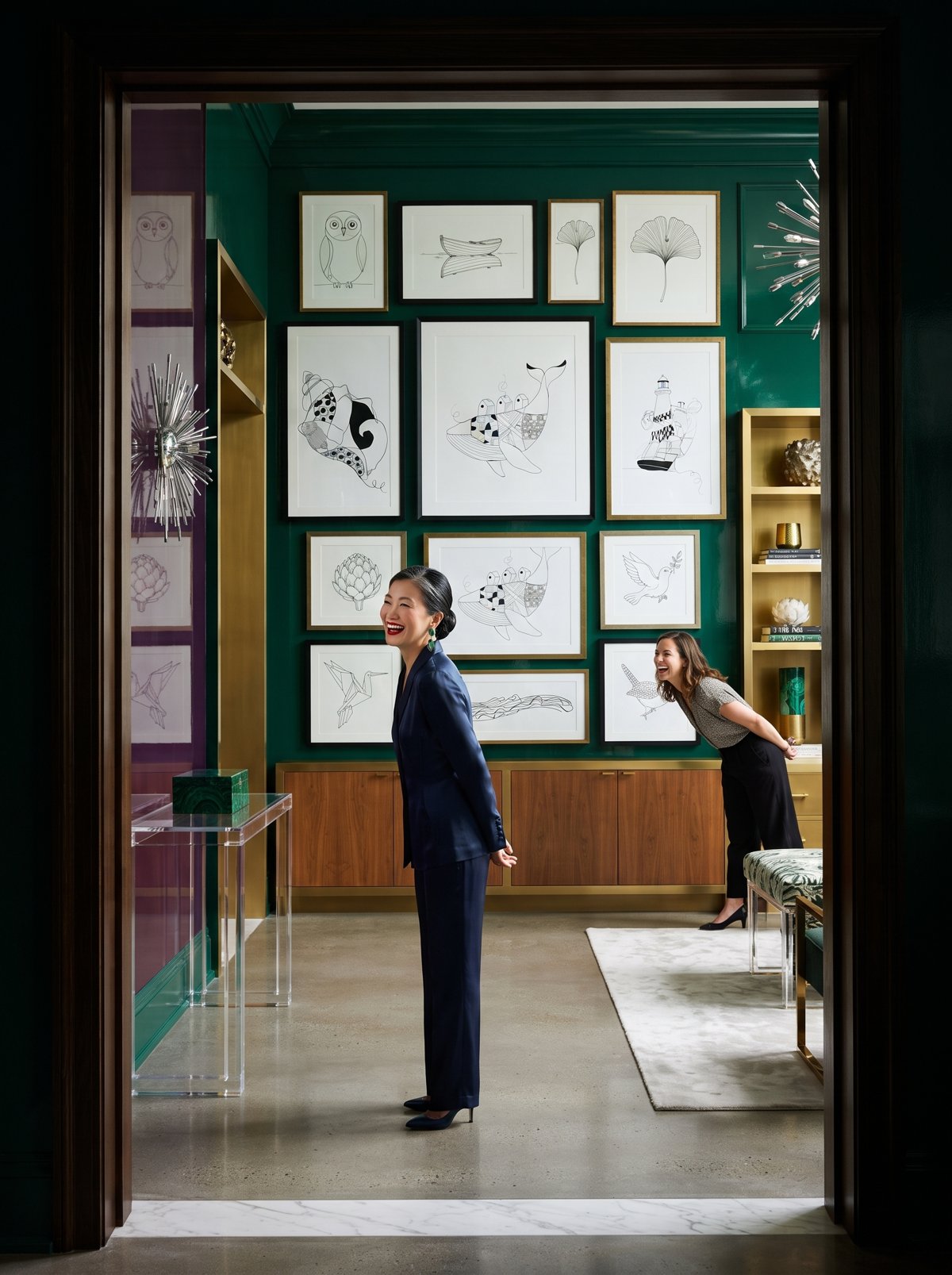

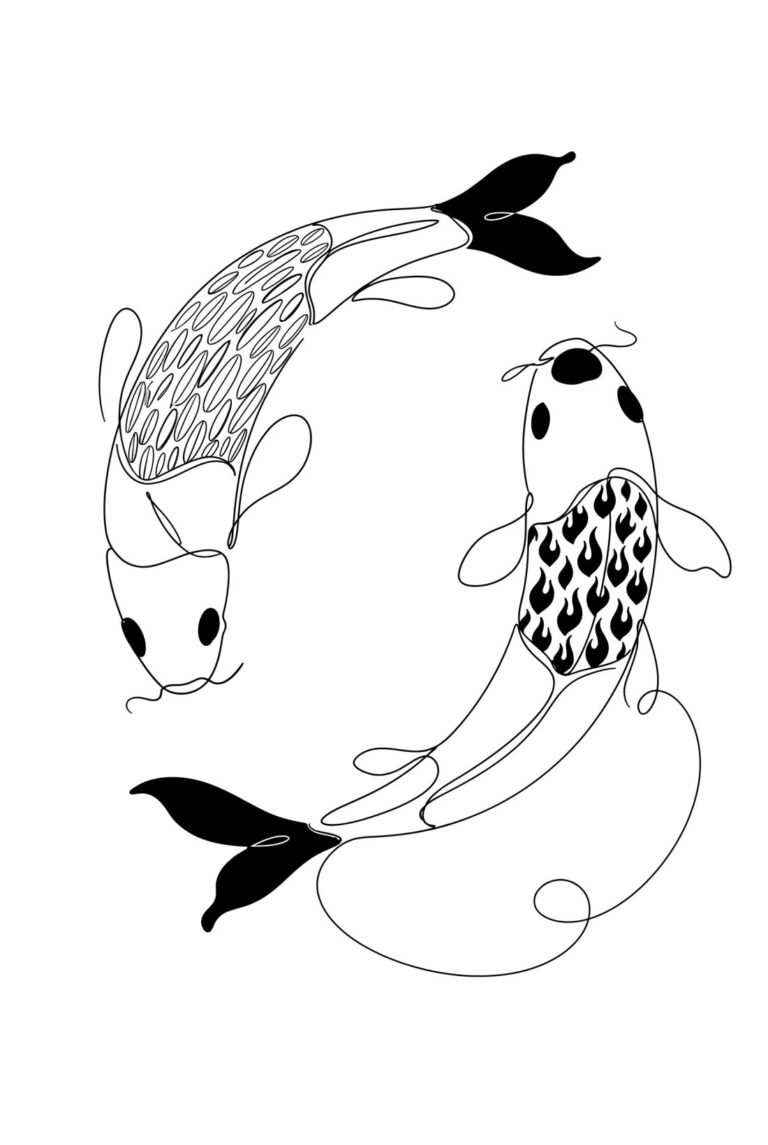
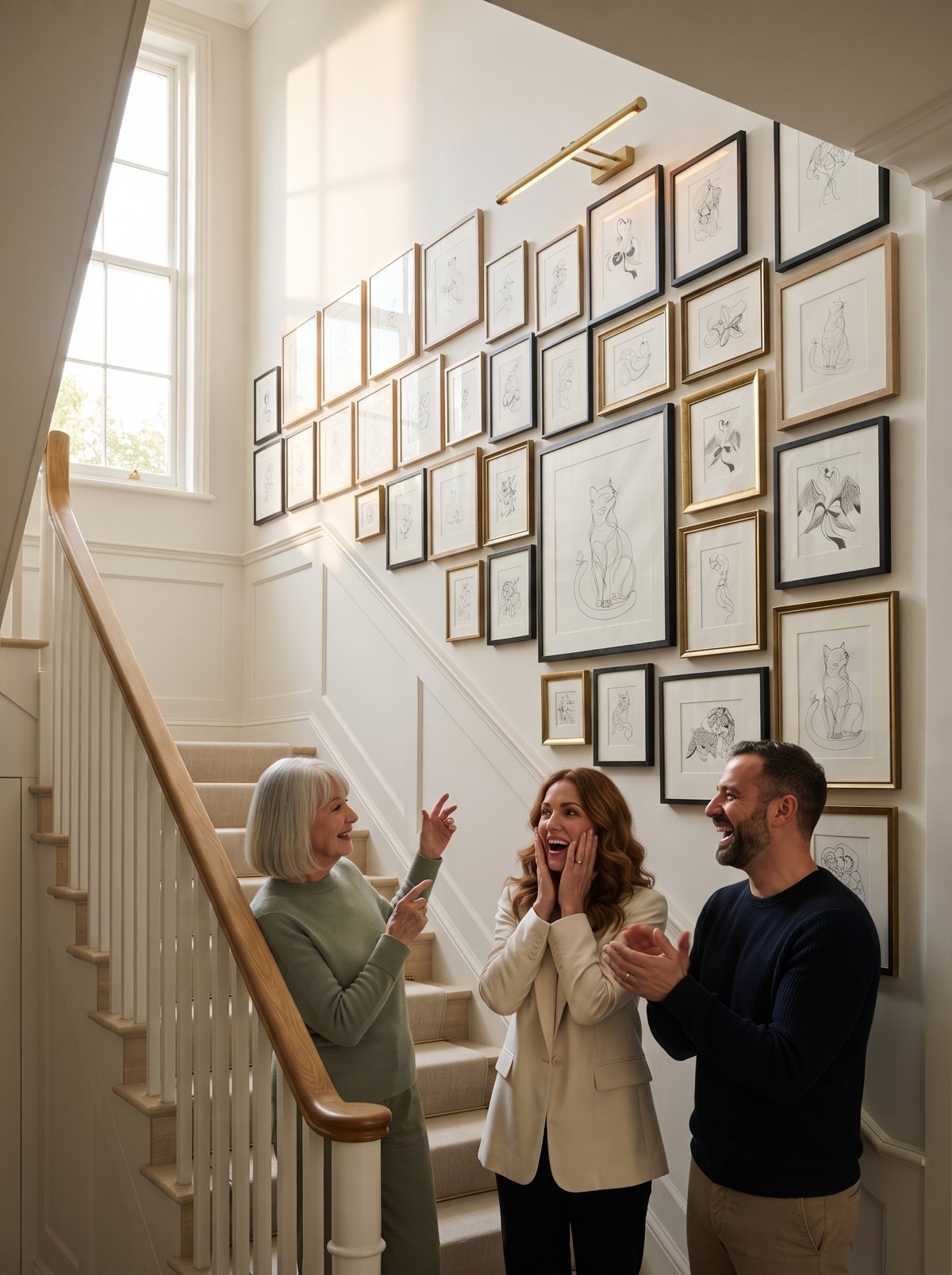
Begin with the heron, then the ginkgo fan. Inside: 100 pieces, 100 draw-alongs and 100 faint trace guides, for the nights the street has told you everything it knows.
Instant download · reprint it whenever you like
The street will be there tomorrow, arranged slightly differently, and the window will have kept its side of the bargain. It framed the whole thing, held it still, and asked for nothing in return.
Mirabelle wrote this. No training, strong opinions, many pens. Peer reviewed by a cat who reviewed the view from the windowsill and blocked most of it.