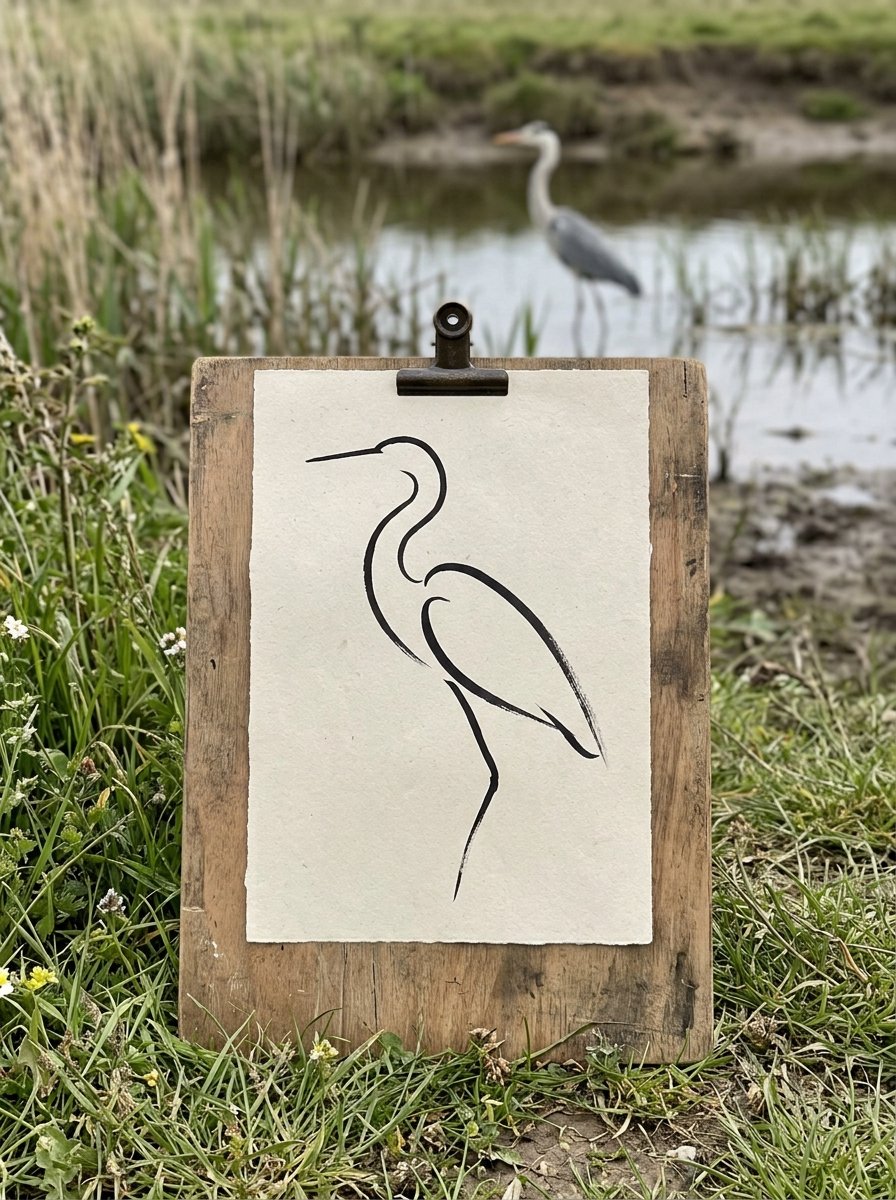
In 1782 a Welsh painter in Naples spent an afternoon on a patch of wall the size of a postcard. He never sold it. He kept it in his own house for the rest of his life. Field sketching runs on a clock you do not control.
The light moves. The bird leaves. Your hands get cold.
So the page has to be finished before any of that happens.
That is the whole method. It is not a slower drawing done in a colder place.
I time mine now. 10 minutes, then the pen comes off the paper.
(The first few times I ignored the timer. Those pages took an hour and came out worse.)
Below: the method, 4 people who worked this way, and a free field page. The page comes first.
Download the free field page →
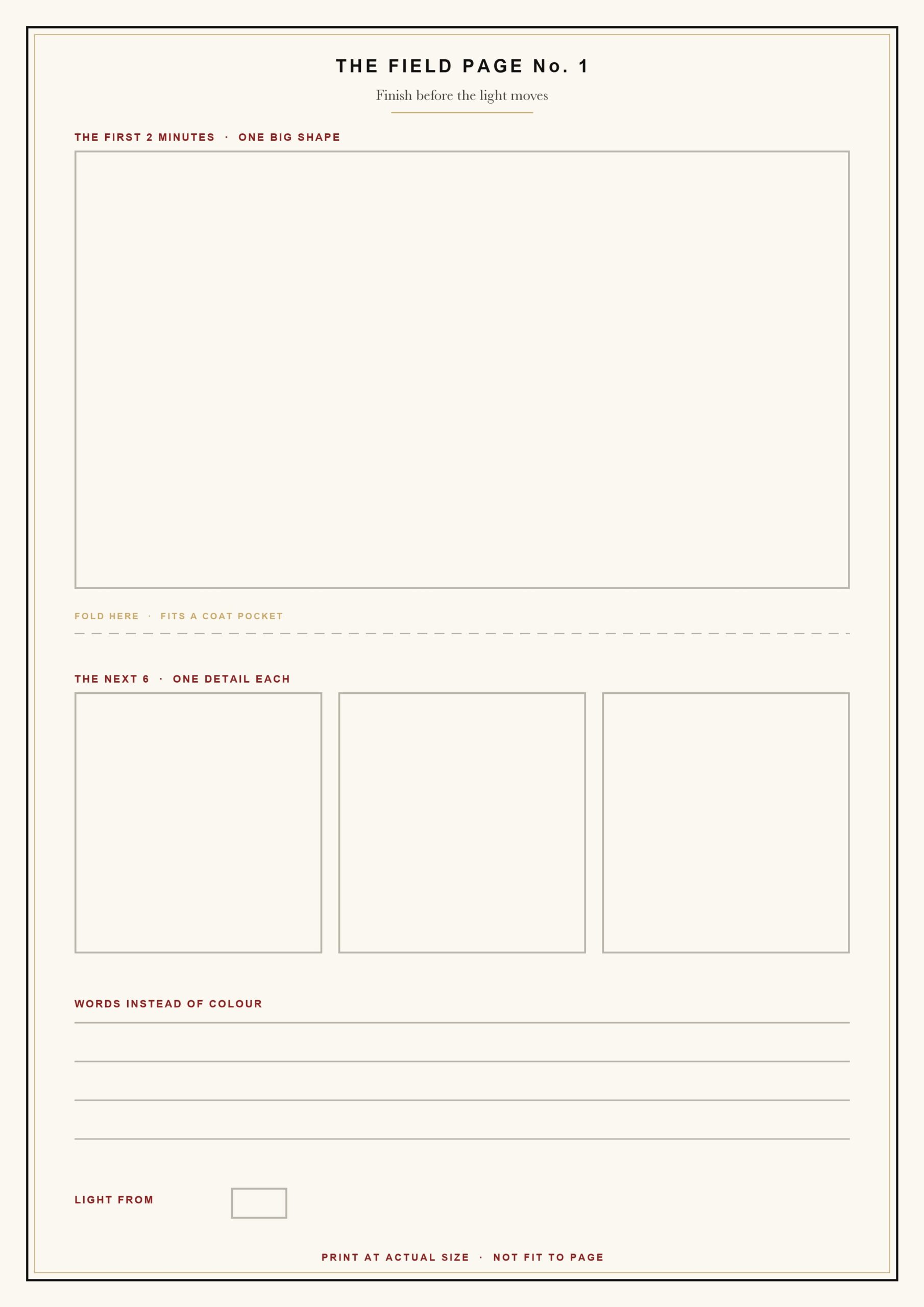
Print it at actual size, not fit to page. (The print box will offer to scale it down. Refuse.)
The page has one big box, three small ones, and a ruled strip.
The big box is the first 2 minutes. The three small boxes are the next 6.
The strip is for words. You write the colours down instead of painting them.
A colour written as wet grey, warmer at the bottom, survives the walk home.
A colour half mixed on a cold page does not.
That strip is the part everybody skips. It is also the part that rescues the drawing at home.
Write the hour in the corner too. Light at 11am is a different subject to light at 4pm.
Use the small boxes for one detail each. The head, the join, the texture that makes it that thing.
The boxes are small on purpose. A small box cannot hold detail, so it stops asking for any.
Fold the page in half and it fits a coat pocket.
There is one more reason to keep it small. A page you can finish is a page you do again on Sunday.
What the page cannot give you is something to draw on the evenings you never get out of the house.
The Collection
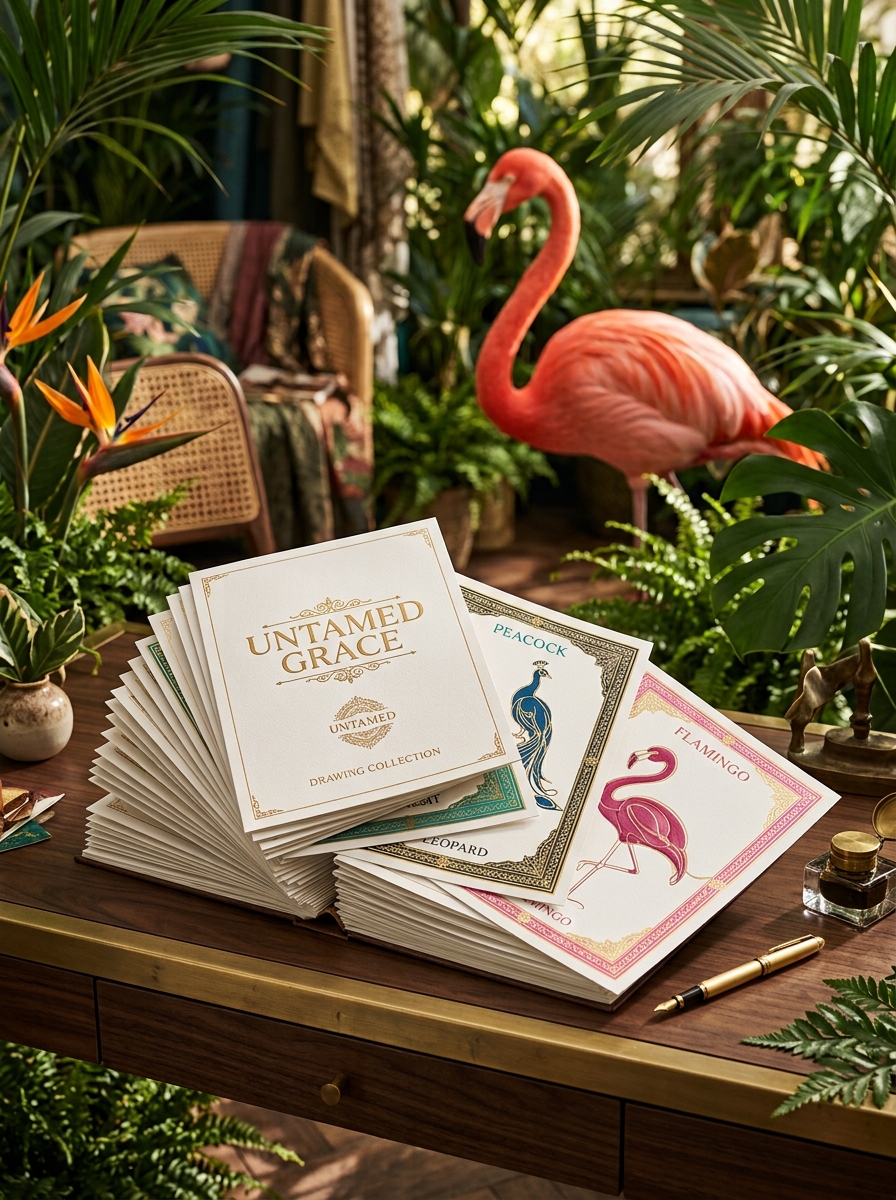
33 line-art sheets, and every one is a single flowing line.
UNTAMED GRACE. Flamingos, ferns and one unhurried stag. For the evening you did not get outside and still want the pen moving. Inside: 33 creature sheets, each built from one continuous line. (A unicorn got in. Nobody has asked it to leave.) What you get: an hour that is not scrolling, and a stag on the wall with opinions.
Back to the method, and to the people who arrived at it before any of us.
Field sketching is not slow drawing done outdoors
Sit at a table and the subject waits. Outdoors, nothing waits.
So the order of the marks changes. Indoors you build up. Outside you commit.
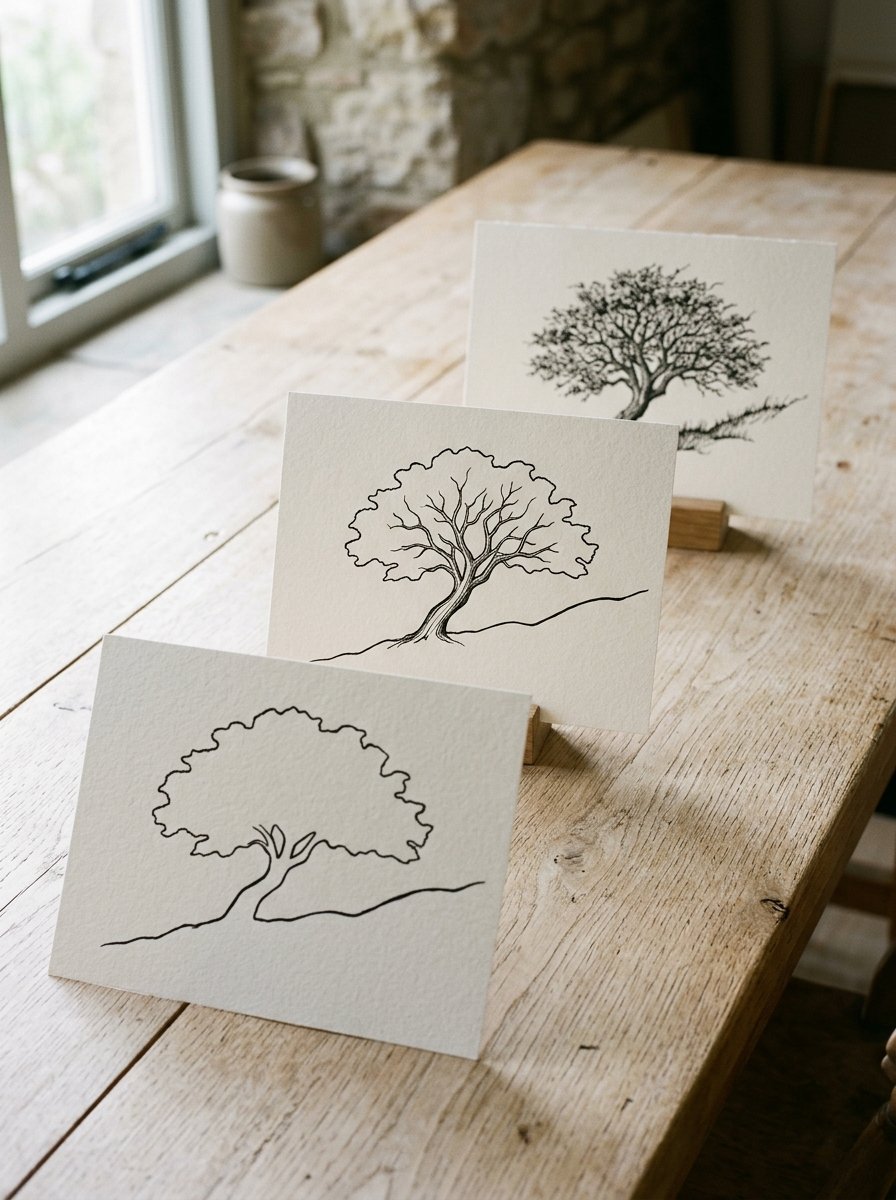
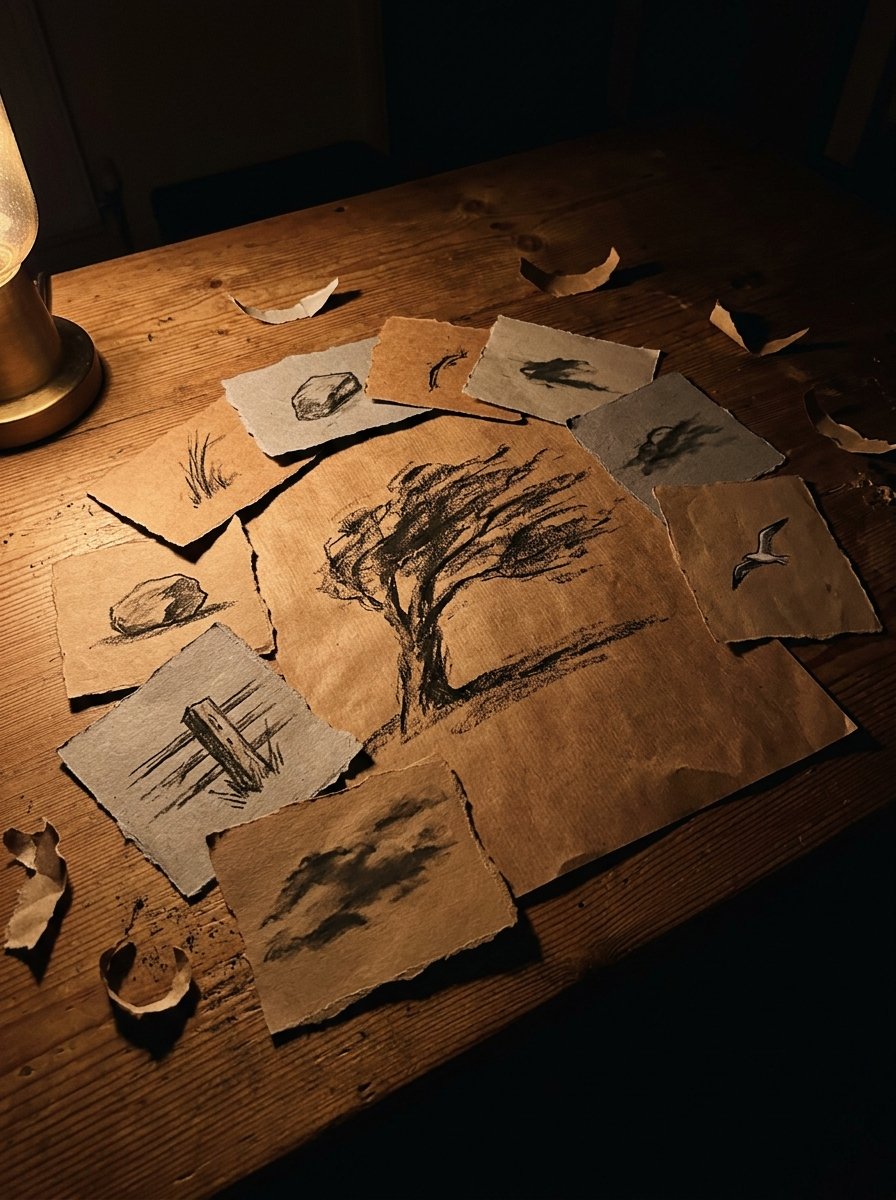
Put down the biggest shape first, and put it down fast. The tree is a lump before it is a tree.
Then cut into it. Two or three marks that say which way the lump leans.
Detail comes last, and only if the light is still there. Most days it is not.
The page is finished anyway. That is the part that takes getting used to.
(I spent a summer doing this backwards, starting with leaves. I own a lot of beautiful leaves attached to nothing.)
Here is the test. Cover the page with your hand at 3 minutes.
If the shape underneath already reads from across the room, the drawing will survive.
If it does not, no amount of detail will rescue it.
Thomas Jones painted a wall the size of a postcard and kept it for himself
In 1782 a Welsh painter was living in Naples, up the hill towards Capodimonte.
He had the use of a roof terrace. From up there he painted the building opposite.
Oil on paper, 11.4 by 16 cm, which the National Gallery describes as not much larger than a postcard.
The subject is nothing. Shuttered windows, scaffolding holes, patchy cement and a water stain.
Nobody commissioned it. His large canvases were the job, and this was what he did on the roof for himself.
The best field pages are almost always of something nobody would have commissioned.
That is the permission worth taking, and it is also a size instruction.
Work small, and small means postcard, not A4.
A postcard of a wall is a finished thing in 10 minutes. An A4 of a wall is unfinished forever.
(I keep mine in a tin. The tin is more impressive than any single page in it.)
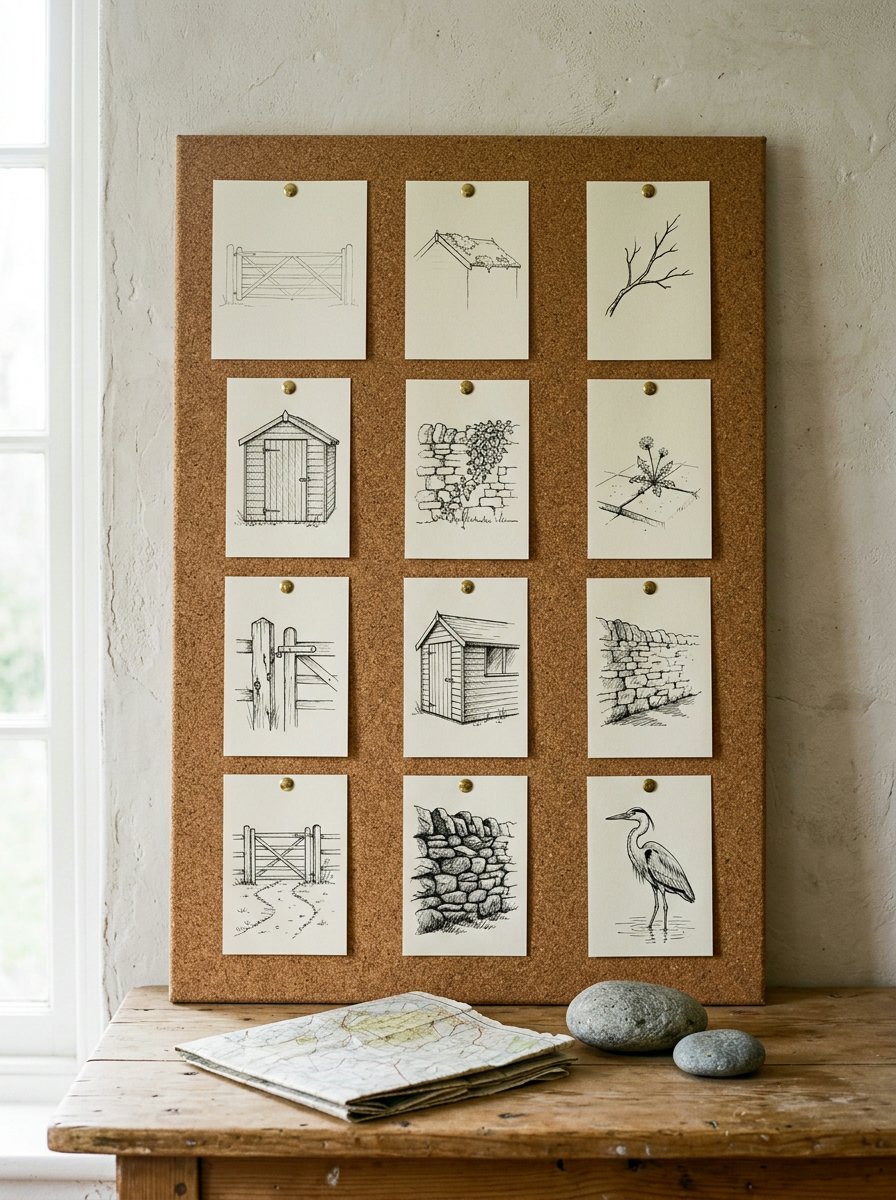
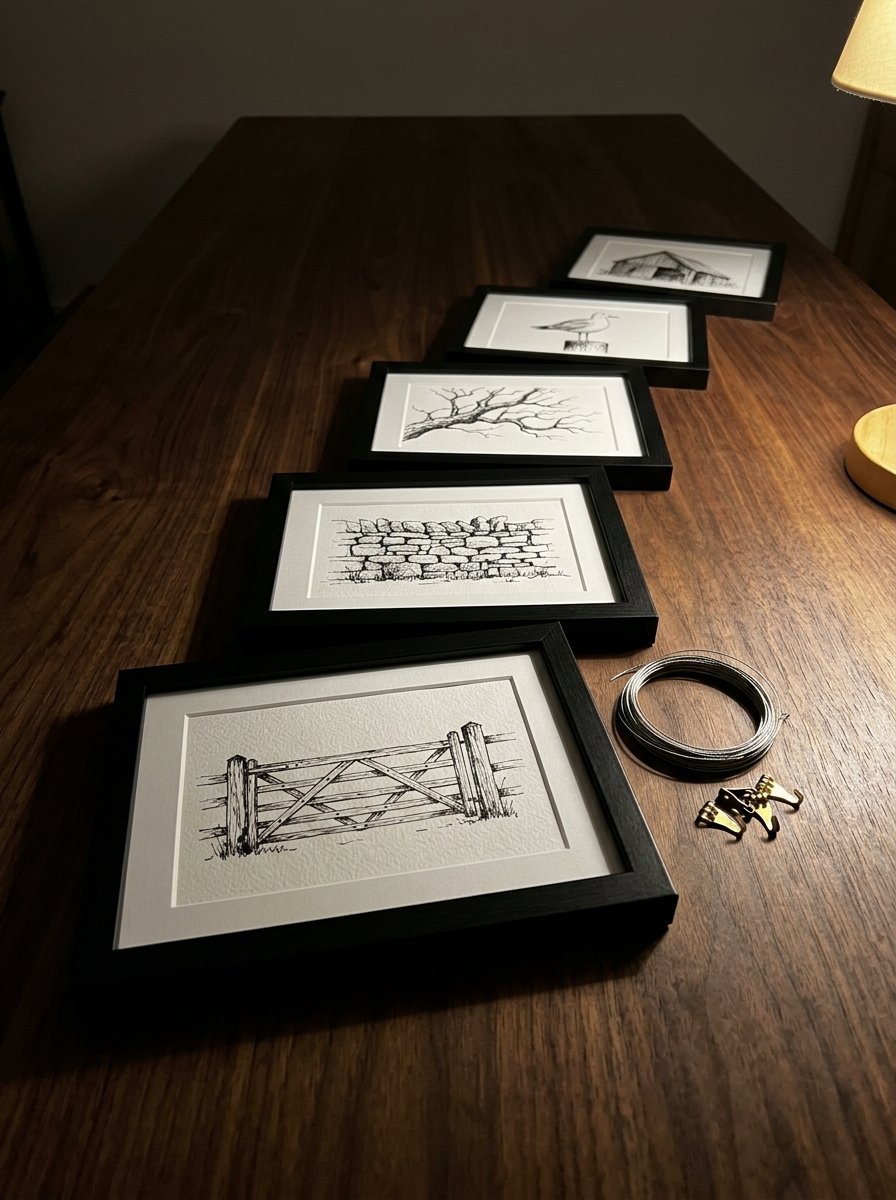
So pick the ordinary thing in front of you. A gate, a shed roof, one paving slab with a weed in it.
Camille Corot painted the same garden 3 times in a day because the light would not wait
Corot went to Italy in 1825 and stayed until 1828.
In those 3 years he made over 200 drawings and 150 paintings.
He painted the Farnese Gardens at three different times of the day.
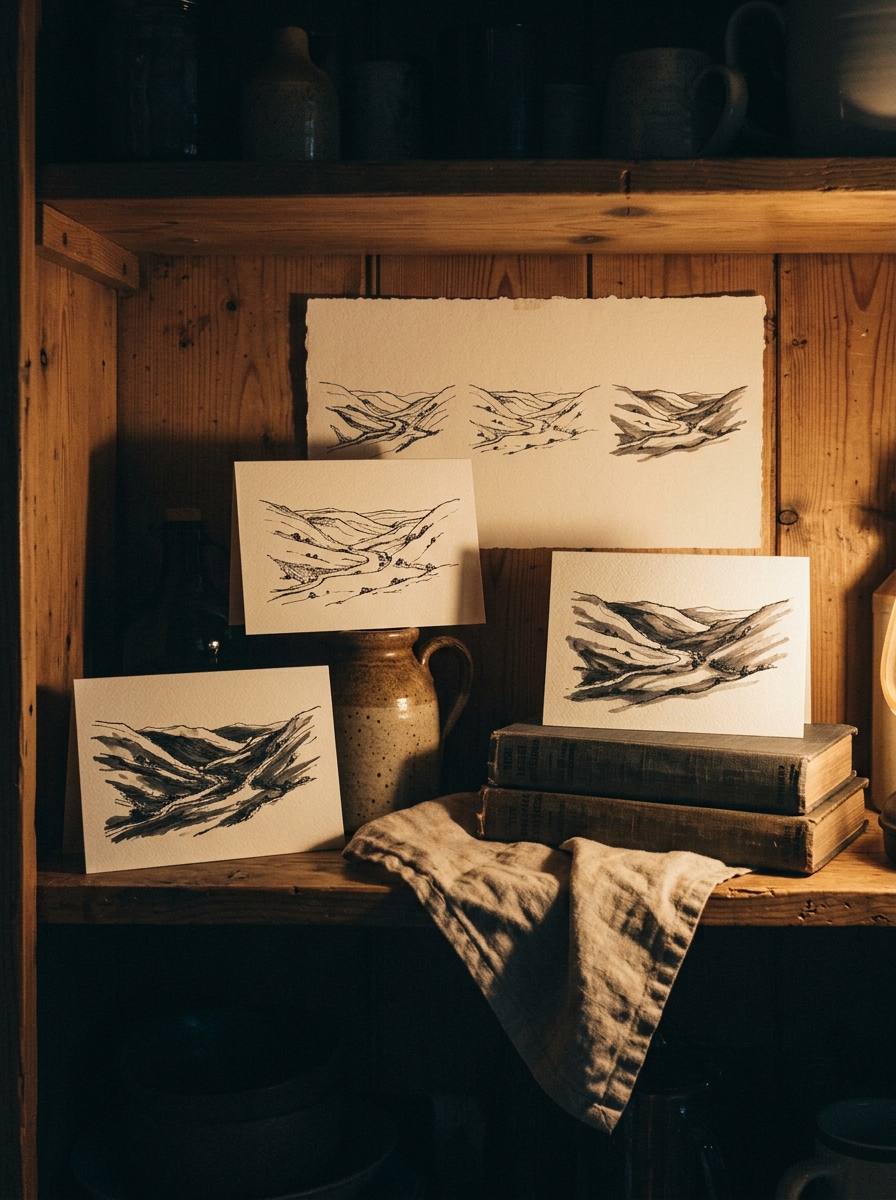
Same garden. Three pages, because by the afternoon it was a different garden.
He was blunt about the difficulty. That sun, he wrote, gave a light that made him despair.
It made him feel the utter powerlessness of his palette. Then he said the useful thing.
Everything done correctly on the first attempt was more true, and the forms more beautiful.
That is not a remark about talent. It is a remark about time of day.
So date nothing and time everything. Write the hour, and the side the light came from.
Come back at the same hour to finish it, or do not finish it at all.
Going back at 4pm to a page begun at 11am is how a good drawing gets painted over.
(Ask me how the drawing of the garden wall is getting on.)
If a view is worth 3 pages, give it 3 pages. One is a record. Three at different hours is a piece of work.
John Goffe Rand fitted a whole studio into a coat pocket in 1841
Before 1841, paint was a logistics problem. Painters ground their own pigments and carried them in bladders.
The bladders leaked, and what did not leak dried.
Then an American portrait painter called John Goffe Rand patented a collapsible tin tube. 11 September 1841, US patent number 2,252.
Squeeze, close, walk away.
Jean Renoir put it plainly. Without paints in tubes, he said, there would have been no Impressionism at all.
Art historians have argued with that, and they are right that a tube paints nothing.
A tube of paint cannot draw. It can only decide whether you go out at all.
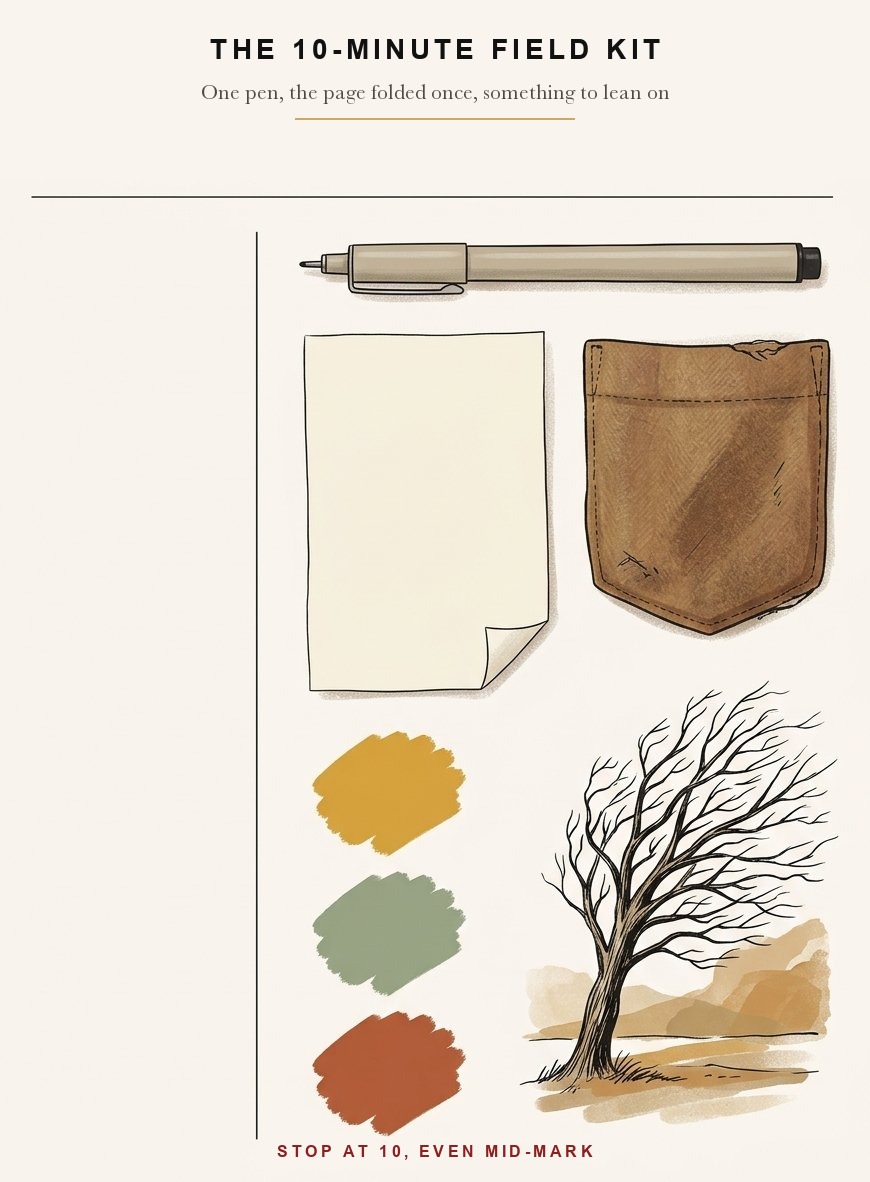
So keep your kit boring. One pen, the page folded once, something to lean on.
I carry 2 pens and use one. The second exists because the first one stopped at a heron.
Leave the bag at home. A bag has to be put down, opened and repacked.
Each of those is a chance to decide you are not in the mood.
The coat pocket is the design constraint. If it does not fit, it does not come.
David Cox swapped his paper for wrapping paper and the line got better
David Cox went out sketching for most of his working life.
From 1844 he spent every summer at Betws-y-Coed, where he became the presiding genius of a small artists colony.
Late on, he changed 2 things, and both did the same job.
He used black chalk rather than a graphite pencil.
And he worked on rough, absorbent Scotch wrapping paper, which ended up being sold under his own name.
Both changes made his marks rougher and freer.
This is the field sketching cheat, and it costs nothing. A rough grey surface hides a hesitant line.
Smooth white paper displays every wobble like evidence.
So take the worse paper outside. A brown page, a bit of card, the back of an envelope.
Black chalk, a soft pencil and a fat pen all behave the same way.
A wide mark cannot record a small hesitation, because the mark is bigger than the hesitation.
(This is why my outdoor drawings look braver than my indoor ones. It is not bravery. It is a thicker pen.)
Keep one rough page for the first drawing of the day, which is always the worst one.
Field sketching when the thing you are drawing walks off
It will walk off. Usually at the moment the drawing starts going well.
So draw the pose you saw first, and keep drawing it after it has gone.
Your memory holds a shape for about 20 seconds. That is longer than most animals stay.
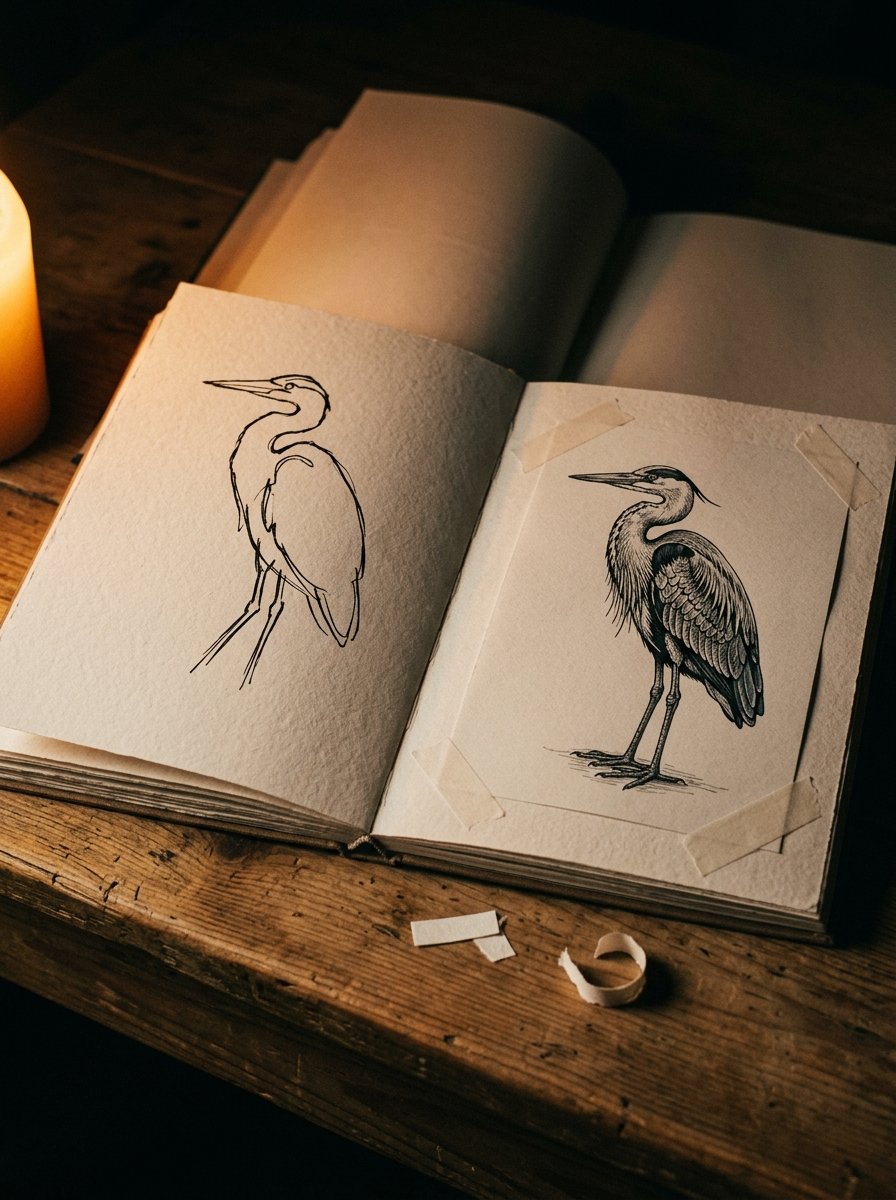
Draw the legs last. Legs move first, and a heron with 2 good legs and a vague body is the worse page.
If it comes back into the same pose, carry on. They do that more than people expect.
If it does not, start another one beside it on the same page.
Two half birds look like a study. One half bird looks like a mistake.
Weather behaves the same way. A cloud shadow crossing a field is a 40 second event.
You cannot chase it. Write shadow moving left on the strip and leave your marks where they were.
The same trick works on birds sitting still, which is the whole of my bird sketching method.
Then finish indoors, with the page and the words, and not from a photograph.
Work from the photograph and it does the drawing while you do the colouring in.
(I do this at the kitchen table the same evening. The pages I leave for a week never get finished.)
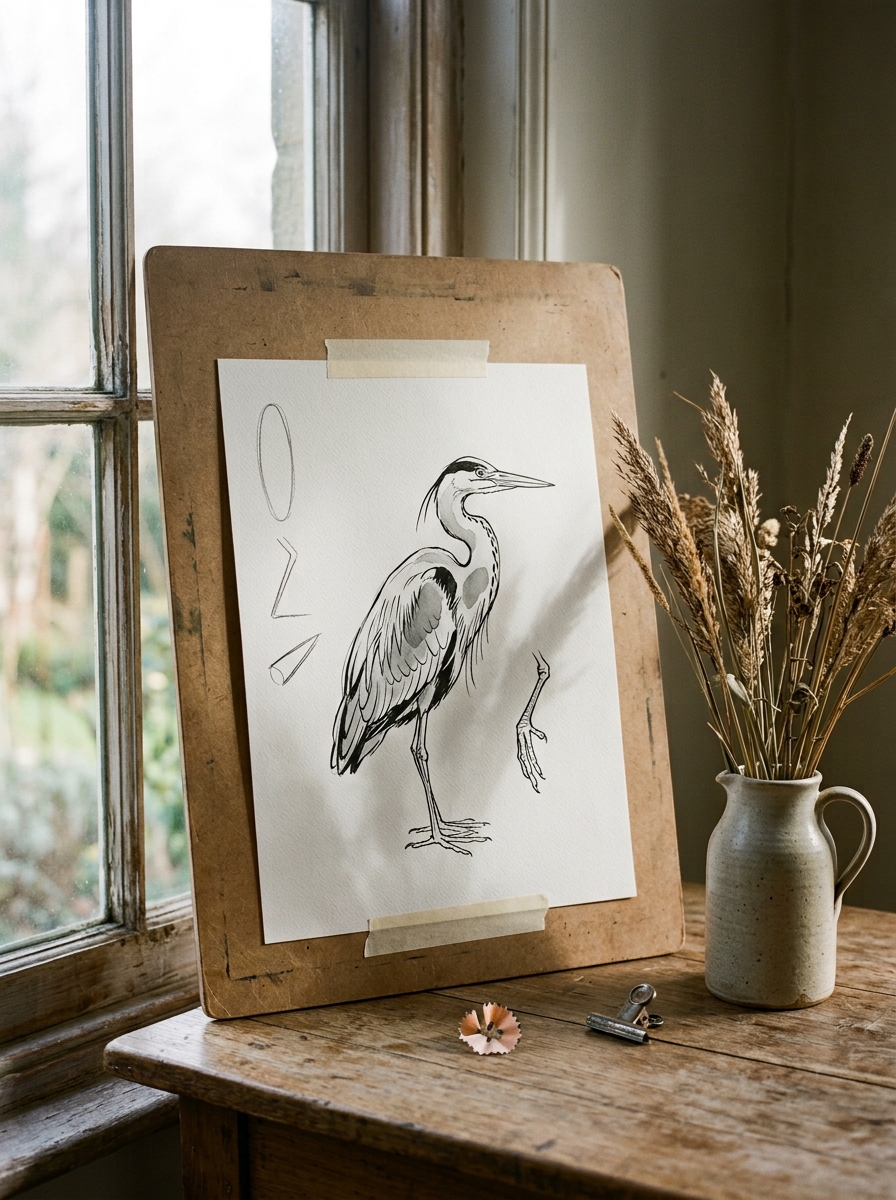
The bird left. The reeds came home in a jug and finished the page for it.
The 10 minutes of a field sketching page, mark by mark
Minutes 0 to 2, the big shape. One outline, no detail, drawn at the size of the box.
Minutes 2 to 4, the lean. Where the weight sits and where it meets the ground.
Minutes 4 to 8, the three small boxes. One detail each and no more.
Minutes 8 to 10, the strip. Light from the left, wet grey, warmer at the bottom.
Then stop, even mid-mark.
The timer is not a productivity trick. It stops you repairing something that was finished at minute 7.
(I rescued a drawing for 25 minutes once. The rescue is visible from the other side of the room.)
Do that 3 times and it stops being a list you remember. It becomes the order your hand goes in.
What do you do when somebody stops to watch you field sketching?
They will, and it is nearly always kind.
The thing worth knowing is that they are looking at the drawing, not at your ability.
Keep drawing while you answer. Stopping turns it into an event.
If you would rather not be seen, put your back to a wall or a hedge, or work from the car.
(A car is a hide with a cup holder.)
I have been asked twice whether I was from the council. Both times about a drawing of a drain.
Where do you put the page when there is nowhere to sit?
Stand up and hold it. A folded page is stiff enough to draw on.
Keep your elbow against your ribs and your hand shakes less than it does on a wobbly knee.
A gate, a wall or a car roof all work better than a lap.
Draw with your whole arm rather than your fingers.
Standing marks come out bigger and looser, which is the register field sketching wants anyway.
The one thing that fails is a sketchbook the size of a tea tray.
(I own one. It has been outdoors once, and it caught the wind like a sail.)
Free Starter Pack
Field sketching leaves the shapes empty on purpose: get 10 free pattern templates.
Sent tonight. Stripes, checks and dots, for the stone wall you left as an outline.
Unsubscribe in 1 click, no hard feelings
33 creature sheets, and not one of them asks you to stop and correct anything
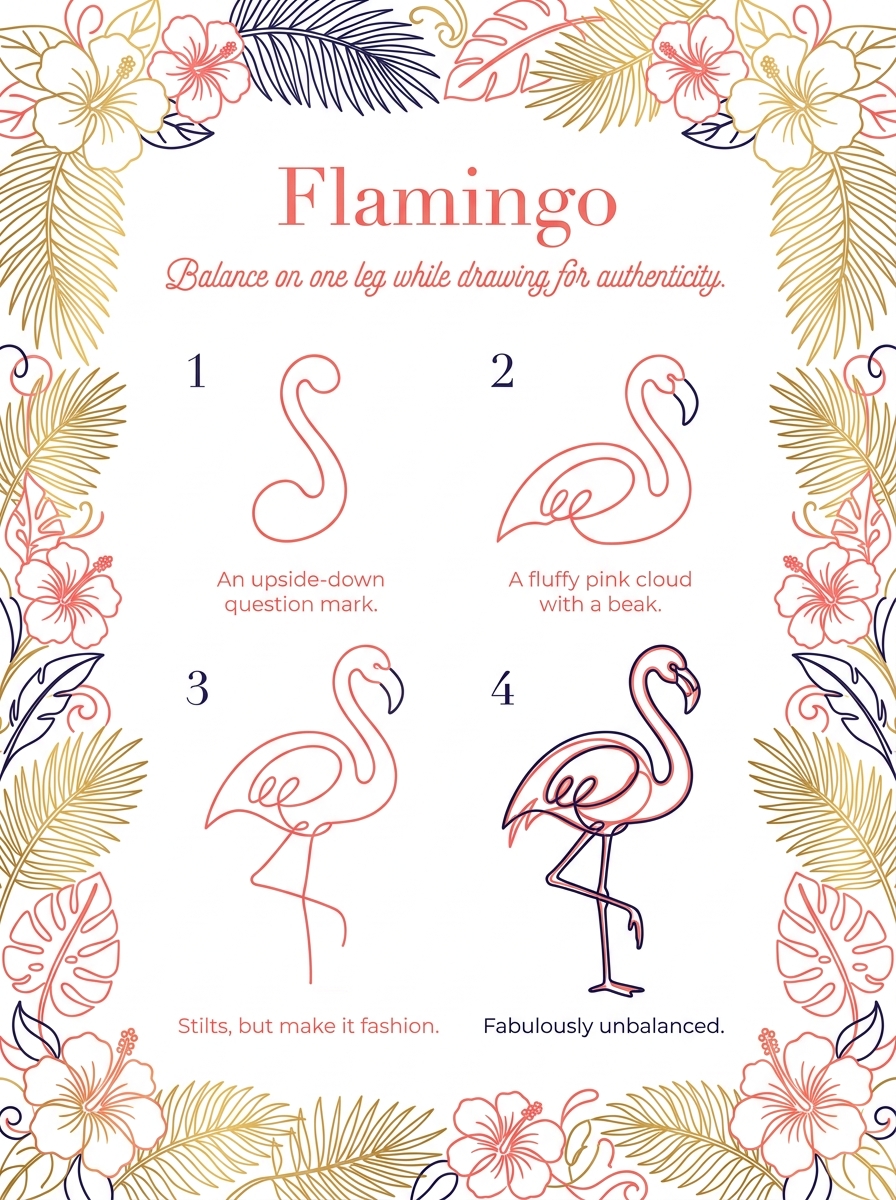
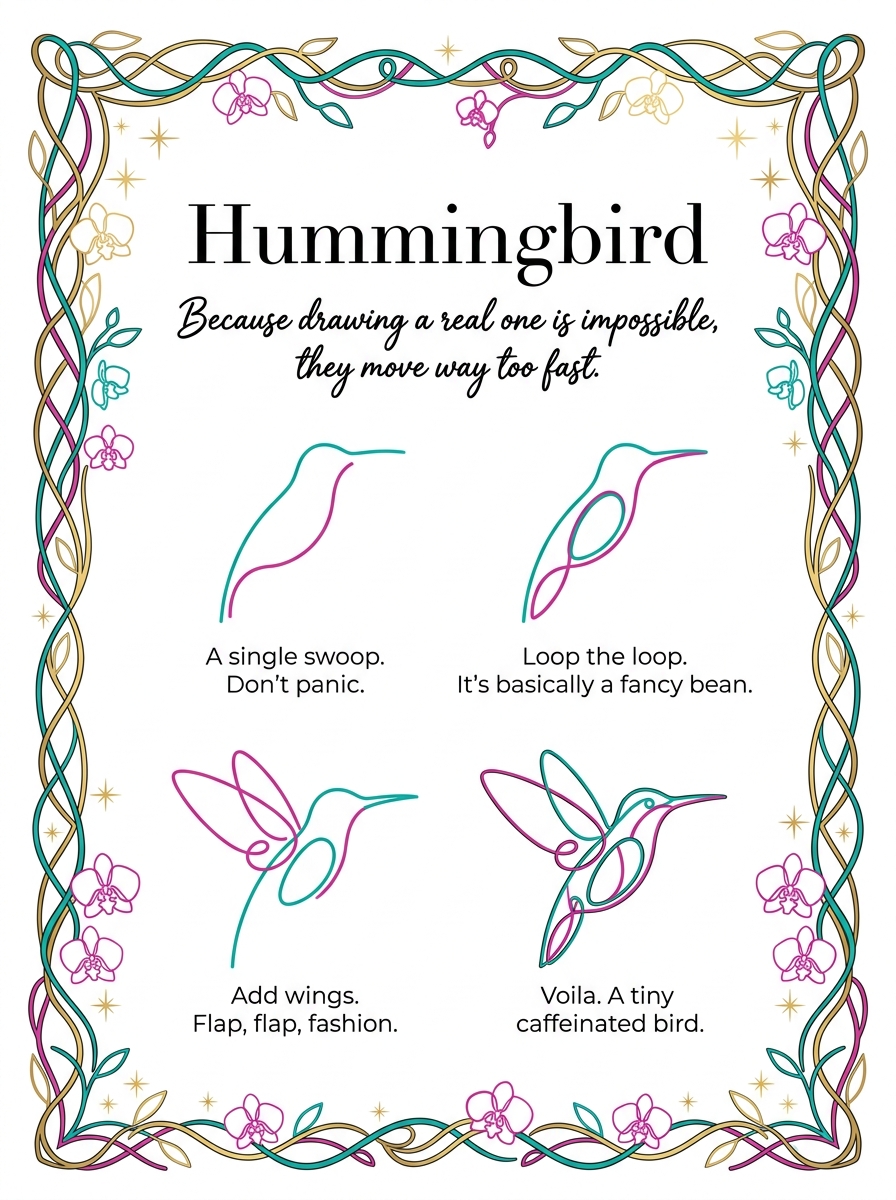
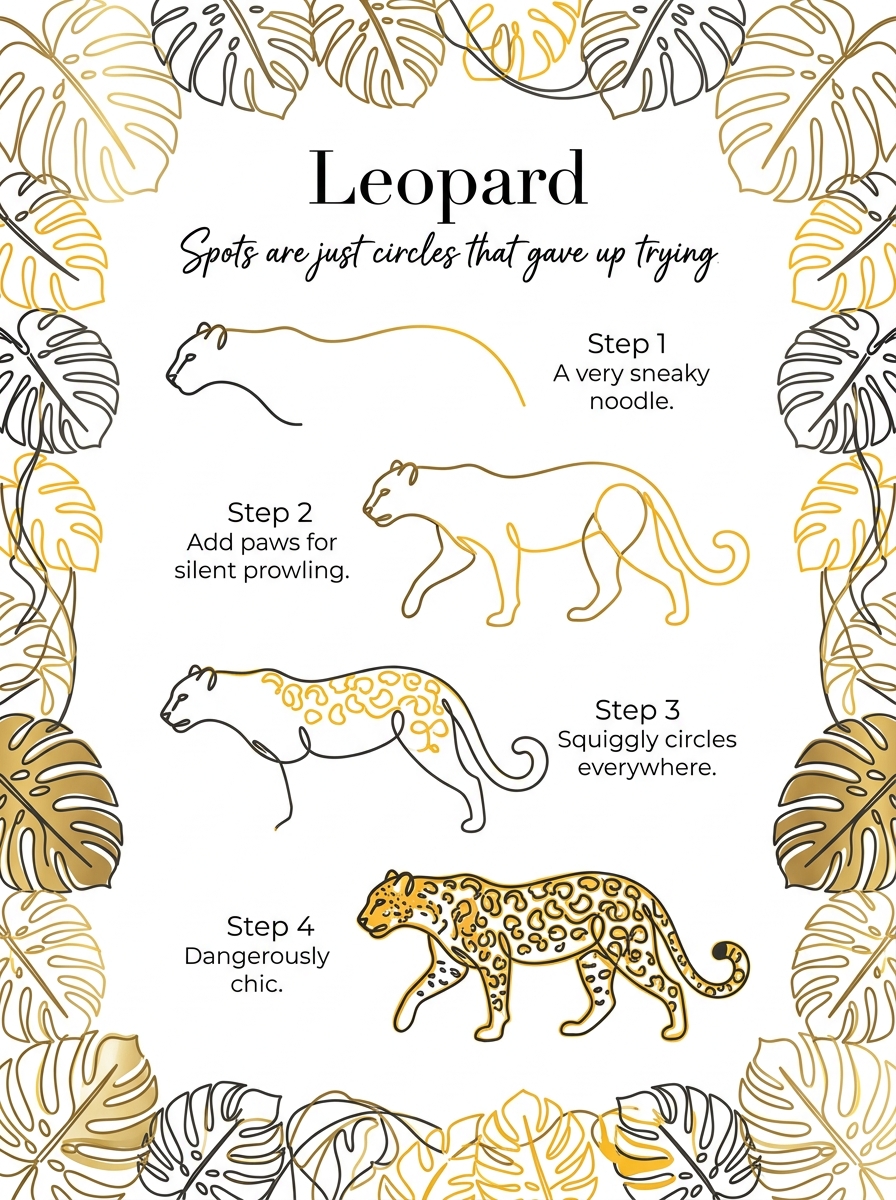
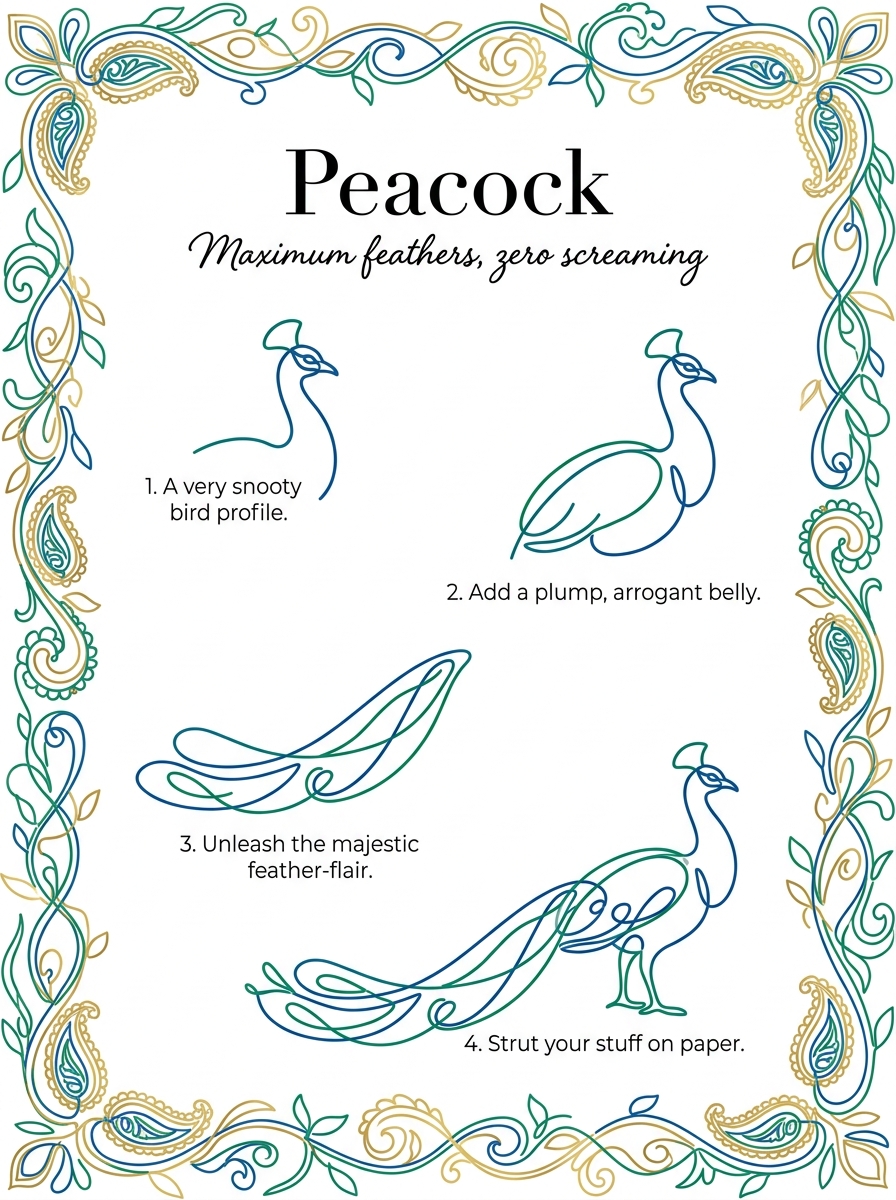
Pick a sheet for the evening it is raining sideways. Each one is a single line, so the pen keeps moving and nothing waits to be fixed. Trace it once to learn where the line goes, then draw it again on plain paper. I still trace the peacock. It is the tail.
Instant download · print as often as you like
The light goes when it goes, and it has never once asked what stage the drawing was at. A page finished at 10 minutes keeps the whole afternoon in it, cold hands and all.
“I noticed that everything that was done correctly on the first attempt was more true, and the forms more beautiful.”
Camille Corot
Mirabelle wrote this. No training, strong opinions, many pens. Peer reviewed by a cat who came out to the garden, inspected the drawing board and sat on the view.